
How Stories Shape Childhood and Inspire Young Imaginations
The Magic of Storytelling in Early Years
From the very first bedtime tale, storytelling becomes a child’s window to the world. Each word, rhythm, and character opens up new ways of seeing, turning simple pages into pathways of wonder. Stories give shape to feelings that children can’t yet express and introduce them to ideas beyond their everyday experiences.
Through storytelling, little minds start to explore emotions, relationships, and imagination all at once. When a toddler listens to The Very Hungry Caterpillar, they don’t just learn about counting or food; they experience transformation, patience, and joy.
Experts describe storytelling as a child’s “first language of imagination.” It’s how children begin to understand patterns, emotions, and empathy. Narratives help them organize thoughts, build vocabulary, and connect what they feel to what they see in the world around them.
Storytelling also nurtures emotional intelligence. A story’s gentle highs and lows mirror life’s rhythm, teaching children that sadness can lead to hope, and mistakes can bring growth.
Imagination: The Hidden Power in Every Story
Imagination is one of childhood’s greatest treasures, and stories are where it blossoms most. When a child hears about dragons, flying carpets, or talking animals, they’re not just being entertained. They’re building worlds in their mind, learning to dream without limits.
Fantasy and fiction teach creative problem-solving. A child who reads about a clever fox or a kind witch learns to think differently; to imagine solutions, not just answers. Reading Rockets notes that storytelling helps strengthen the brain’s creative centers, encouraging flexibility and innovation from an early age.
Beyond creativity, stories build confidence and curiosity. Every time a character faces a challenge, children learn that courage is possible, even when things feel uncertain. Whether it’s a mouse outsmarting a monster or a small girl saving her village, stories whisper the same message: you can be brave, too.
And in that magical moment, imagination becomes empowerment, helping children believe in their ability to make a difference.
Stories That Teach Without Preaching
Great stories teach without telling. They don’t lecture; they inspire. That’s the beauty of storytelling: it allows children to discover values naturally, through emotion and empathy.
Books like The Little Prince or Where the Wild Things Are carry lessons about love, loneliness, and growth, yet they never feel forced. Children learn because they feel something, not because they’re told to.
Didactic books, on the other hand, often focus too much on “what’s right” instead of exploring “why it matters.” But in imaginative stories, lessons come gently, hidden in laughter, adventure, and curiosity.
As we explain, “The best children’s books are the ones that make learning feel like magic.” They invite readers to ask questions, to reflect, and to understand the world in their own time.
When stories balance creativity with heart, they create emotional connections that last far beyond childhood.
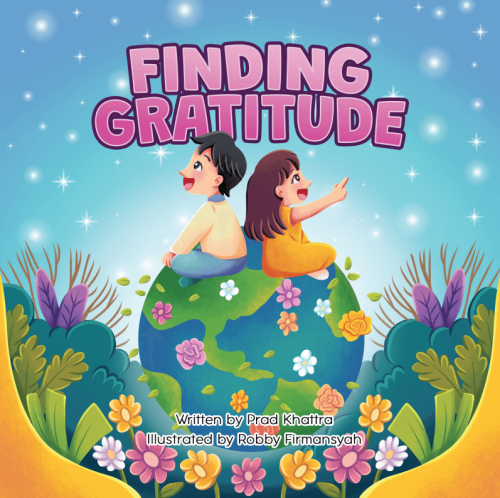
Stories also help children understand emotions and values in a gentle way. A great example is Finding Gratitude, a story that encourages young readers to appreciate the little things in life. Through its heartfelt narrative and expressive illustrations, the book shows how stories can nurture empathy, kindness, and emotional awareness—important lessons that shape a child’s character.
The Role of Parents, Teachers, and Illustrators
Storytelling is most powerful when it’s shared. Parents, teachers, and illustrators all play a role in keeping imagination alive.
For parents, storytime is more than routine; it’s a sacred moment of connection. Reading aloud creates a safe space for comfort and bonding. A child nestled beside their parent learns not only about the story’s characters but also about love, patience, and attention.
Teachers, too, hold storytelling magic in their hands. When a teacher reads a story in class, they build bridges between learning and wonder. Stories can explain empathy better than any lesson plan, turning classrooms into places where emotions are valued as much as ideas.
Illustrators give these stories a visual heartbeat. Through their art, they translate feelings into color, shape, and texture. A single illustration can express sadness, joy, or curiosity in ways that words alone cannot.
As we beautifully put it, “Illustrations are emotional translators; they help children see what they feel.” When storytelling meets illustration, words come alive, and imagination becomes something children can truly see.
The Lifelong Impact of Storytelling
Stories don’t just shape childhood; they shape lives. The characters we meet, the worlds we imagine, and the lessons we absorb all leave lasting imprints on who we become. This enduring impact of storytelling reassures us of the value of our efforts in nurturing young minds, instilling a sense of confidence in the power of storytelling.
A child who grows up surrounded by stories learns empathy more deeply. They understand that everyone has their own challenges and dreams. They learn to see beyond themselves, a foundation for kindness and open-mindedness later in life.
Storytelling also nurtures resilience. Every tale that ends with hope after hardship teaches children that difficulties can be overcome. These small emotional rehearsals prepare them for real-life challenges with optimism and strength.
In today’s digital world, storytelling traditions matter more than ever. Amid screens and algorithms, books offer something technology can’t: shared human warmth. The quiet moment between reader and listener — a turning page, a shared laugh — is irreplaceable. Let’s all play our part in keeping these traditions alive, fostering a sense of connection and continuity.
In today’s digital world, storytelling traditions matter more than ever. Amid screens and algorithms, books offer something technology can’t: shared human warmth. The quiet moment between reader and listener-a turning page, a shared laugh-is irreplaceable. Let’s all play our part in keeping these traditions alive, fostering a sense of connection and continuity.

Family-centered stories often leave the deepest impression on children. Just My Mom highlights the warmth and emotional connection between a child and their parent, showing how storytelling can reflect real-life relationships. Books like this remind young readers that stories are not only entertaining—they also help children understand love, belonging, and the importance of family bonds.
Keeping the Magic Alive
So, here’s a gentle reminder for parents, teachers, and storytellers everywhere: revel in the joy of storytelling. Embrace the laughter shared, the worlds imagined, and the magic of reading aloud. Let the inspiration of storytelling fuel your passion for nurturing young minds.
Every story told is a seed planted — one that grows into creativity, compassion, and confidence. And long after the book is closed, its magic lingers in every child who dares to dream.
Because in the end, storytelling isn’t just about shaping childhood. It’s about shaping the future, one beautiful imagination at a time.