Draw Your Feelings: Creative Art Ideas for Kids to Express Emotions
Talking about feelings sometimes can be hard, especially for kids. Imagine if they are sad, but don’t know how to explain that. Or, if they are happy, they want to laugh or dance. But if they are asked to tell others about those feelings in words, they have nothing to say. Now we have a magical, creative way to do that, and it’s through art!
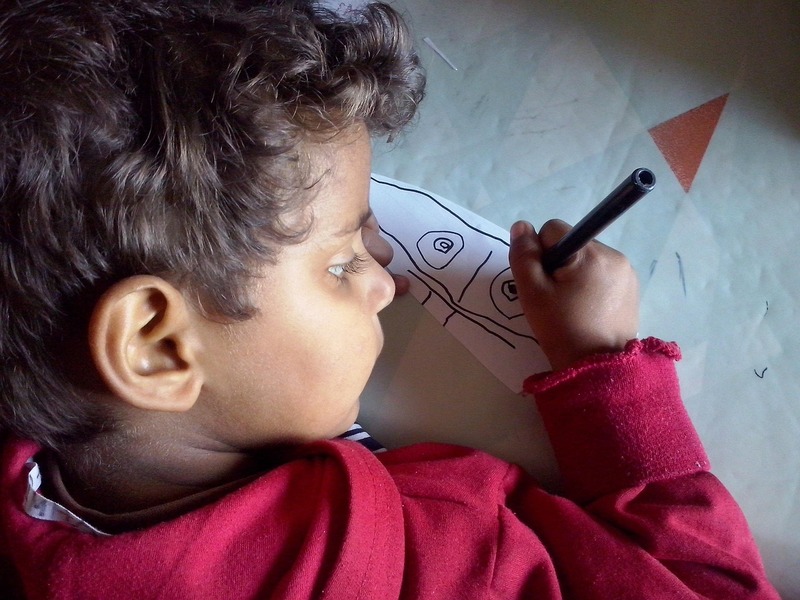
One artistic activity you can do is draw your feelings. This activity will help kids share their emotions using shapes or colors. There’s always a story behind those drawings. Something that can’t be expressed before: anger, happiness, worry, and every emotion they have.
In this article, we will discuss how colors and lines can help kids express their feelings and explore several fun drawing activities. We will also learn about tips to encourage them to share their feelings freely.
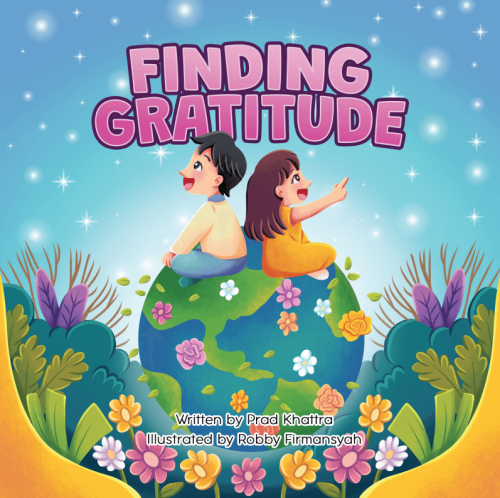
Drawing can also help children understand and process their emotions. Stories like Finding Gratitude reflect this beautifully, showing how small moments of reflection can grow into deeper emotional awareness. Just like drawing feelings on paper, storytelling and illustration can help young readers recognize and express what they feel inside.
How Colors and Lines Can Show Your Feelings
Art, especially drawing, has long been used to support mental health.
Through colors, everyone can tell how they are feeling, like bright yellow, like sunshine and happiness, or blue, like a calm sea. Kids usually use colors to represent their feelings at that time without realizing it.
Not only can colors, lines, or shapes show someone’s emotion. Random, bold scribbles may indicate someone is upset or frustrated. Curvy, soft lines may be peaceful. A shape like a circle may show a different feeling, too.
So, if you want to use the draw your feelings activity, don’t forget to ask about specific emotions and which colors or shapes represent them. For example, “Can you draw what happiness looks like?” or “What shape feels like a sadness to you?”. Those questions will lead to a reflection about their feelings and the story behind them.
Fun Art Activities to Draw Your Feelings
There are some enjoyable, simple activities you can use to help kids explore their emotions through drawing. These activities may differ, as you must tailor them to age groups or moods.
But what you need is the same. Just prepare crayons/colored pencils and paper. And the most important one: IMAGINATION!
1. The Feelings Rainbow
For this draw your feelings activity, note that specific colors will represent certain emotions. Then, ask kids to think of colors for each feeling. For example, blue for sadness, red for anger, orange for annoyance, or yellow for happiness.
Let the kids draw what they are feeling that day. Don’t forget to remind them that it’s okay not to make a ‘perfect rainbow’. You can also tell them that it’s fine if they felt so many emotions that day.
2. The Scribble Game
This activity lets kids’ creativity and flexibility grow. You can scribble randomly on a paper (or you can ask kids to do it by themselves!). After that, let them turn those scribbles into something. To any shapes or drawings they want! By doing so, they will learn that even when things are messy, they can make something good, like emotions.
3. Draw Your Calm
This draw your feelings activity can help to calm kids who are feeling upset or angry. You can suggest that they draw something peaceful to calm themselves. For example, a calm river, a peaceful forest, a cozy bedroom, or anything they think will make them feel better.
When kids are immersed in drawing, especially when it’s calming, they become more open and relaxed. The reason is that the creative process helps kids slow their breath, invite flow, and calm their nervous system.
Tips to Encourage Kids to Share Feelings with Art
Even though you have already prepared many fun art activities to express their emotion, it will be challenging to make them do it as you intended. You also must remember that not all kids want to draw or talk about their feelings. However, don’t let it get you down. You still can encourage them gently by doing some of these.
- Let kids know if they don’t need to worry since there are no right or wrong ways to draw. Everything matters. You won’t give bad marks for what they drew.
- Product is a good thing, but you need to focus on the process during this activity. So, let them know that you appreciate their imagination, creativity, efforts, and bravery. Praise them.
- You can also join kids by drawing together. It will show them that expressing emotions is just normal, even for adults.
- After that, ask them an open-ended question to learn more about their drawing. So, they can tell you about the story behind it.
- Making kids share feelings through draw your feelings activity needs to be done continuously. You can keep them using an emotion art journal to track their feeling over time.
If kids feel seen and accepted, they will notice that they have a safe space to express their emotions. Besides, they also learn that their emotion, whether it’s ‘bad’ or ‘good’, are all valid. And it’s just normal as a human.
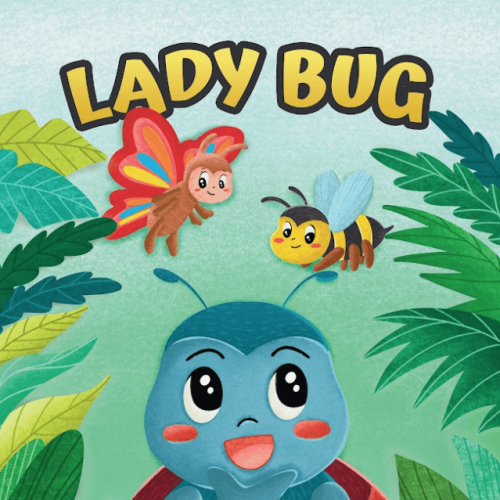
Characters in children’s books often communicate feelings through expressions, posture, and color. A story like Lady Bug highlights how visual storytelling can help children relate to emotions such as confidence, vulnerability, and self-acceptance. When feelings are illustrated clearly, young readers can connect with them in a meaningful way.
Benefits of Drawing and Journaling Your Feelings
Drawing is a fun activity, especially for kids. But it’s more than that. Turns out that drawing can help kids learn and understand their feelings. Here are some benefits of using the draw your feelings journaling activity for kids.
- Self-awareness. Kids will be able to recognize the pattern when certain emotions appear. For example, they drew in red if they’re angry.
- Stress relief. Art can calm their mind, as the creative process can slow down upset feelings and racing thoughts.
- Boosted confidence. Kids will be more confident in expressing and managing their feelings because they can turn their feelings into art.
- Stronger communication. So many kids find it challenging to express their feelings, especially with words. But art becomes the way to do it more easily.
- Emotional release – For kids who always bottle up or can’t release their emotions properly, this activity will surely help them pour big emotions onto the paper.
The draw your feelings activity will surely help kids express their emotions and better understand themselves. Art will be a safe place for them to do that. They don’t need to be afraid to be judged.
All drawing activities will give you many kids’ stories about their feelings that you didn’t know before. So, it’s one of the things you can do when your kids struggle to tell you their feelings: hand them paper with a pencil or pastels. Then, let them show how they’re feeling. Let their heart speak honestly and creatively.