Emotions at Play: A Magical Path to Helping Kids Understand Their Feelings
Why Emotional Understanding Matters for Children
Childhood is a kaleidoscope of emotions: joy, curiosity, fear, frustration, and endless wonder. Yet, for many children, identifying and expressing those feelings can be difficult. Emotional understanding is one of the most important foundations of growth, shaping how children connect with others, solve problems, and build resilience.
That’s why Emotions at Play feels like such a breath of fresh air. It reminds us that learning about emotions doesn’t have to be overwhelming or clinical; it can be magical, gentle, and full of play.
Emotional literacy gives children the language of the heart. When a child learns to say, “I’m sad,” or “I feel left out,” they’re not just describing, but they’re understanding themselves. Books like Emotions at Play become gentle companions in this journey, guiding young readers to name, explore, and embrace every emotion with kindness.
According to BookTrust, reading stories about feelings helps children “build empathy and see emotions as part of everyone’s shared experience.” In other words, books don’t just teach; they help children feel understood.
Overview of Emotions at Play
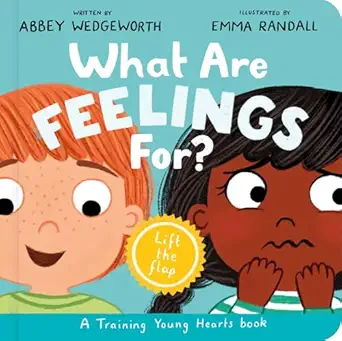
Emotions at Play is more than a children’s book — it’s an experience. Designed for young readers beginning to explore complex emotions, the book uses story, color, and imagination to help children understand what feelings are and how to express them in healthy ways. For instance, it introduces a character who feels joy when playing with friends, and another who feels anger when things don’t go as planned.
Its purpose is simple yet profound: to normalize emotions through play. The story’s world bursts with bright illustrations and playful characters, inviting children to join in and “meet” emotions such as joy, anger, and worry. Each page encourages curiosity rather than judgment — teaching that all feelings, even the tricky ones, are part of being human. The book is structured so that each emotion is introduced in a separate chapter, with engaging activities and discussions at the end of each.
The book is ideal for both home and classroom use. Parents can use it to start gentle conversations, while teachers can build emotional activities around its themes. It can also be used in therapy settings to help children express and understand their feelings. The tone is warm, inviting, and never patronizing, perfect for young minds discovering their inner worlds.
At its heart, Emotions at Play is about acceptance. It whispers the message: Every feeling has a place, and every emotion matters.
What Makes This Book Stand Out
What sets Emotions at Play apart is its perfect balance between learning and imagination. It teaches emotional awareness through play rather than instruction.
The storytelling is rhythmic and engaging, leading readers through playful scenarios where emotions come alive. Instead of simply naming feelings, it gives them personality; joy might dance across the page, while sadness might float gently like a cloud. This approach transforms abstract ideas into something children can relate to and visualize.
Visually, the design shines with color and warmth. Each illustration is thoughtfully created to evoke the emotion being described. A happy page feels sunny and open, while a worried one feels softer, inviting reflection.
This sensory storytelling helps children connect words, colors, and feelings, making emotional understanding a multisensory experience. It’s not just reading; it’s feeling through pictures.
And while many emotion-themed books can feel overly educational, Emotions at Play keeps things joyful and light. It never tells children what to feel; it invites them to explore feelings at their own pace, turning emotional learning into a delightful journey.
Lessons for Parents and Educators
One of the most beautiful things about Emotions at Play is how easily it becomes a tool for conversation. Parents and teachers can use it to open up discussions that might otherwise feel difficult.
A page showing anger, for instance, can lead to a question:
“What do you think happens when we feel angry? What helps you calm down?”
Through these gentle reflections, adults help children build emotional awareness without pressure or shame.
Educators can also extend the book’s themes through creative play, such as drawing “feeling faces,” storytelling with puppets, or matching colors to emotions. These activities make emotional expression natural and fun, transforming learning into connection.
As we beautifully note, “When stories make space for emotion, they give children permission to be their true selves.” That’s exactly what this book achieves — it invites children to express, not suppress, what they feel.
By integrating Emotions at Play into daily routines, adults can nurture empathy, patience, and a sense of emotional safety, essential ingredients for lifelong well-being.
Why “Play” Is Key to Emotional Growth
The title says it all: Emotions at Play. For children, play is not a break from learning; it is learning.
Through play, children experiment with emotions in safe ways. Pretending to be brave, funny, sad, or kind allows them to explore feelings without fear of judgment. Psychologists often describe play as “the language of childhood,” in which imagination serves as a bridge to understanding.
This book captures that truth perfectly. By making emotions playful, it removes the stigma around “bad” feelings and helps children approach them with curiosity. It teaches that joy and sadness can coexist, and both are needed for growth.
When play and storytelling come together, emotional awareness turns into confidence. Children learn that emotions are tools, not obstacles. And once they understand that, they’re free to express themselves with honesty and empathy.
The Beauty of Learning Empathy Through Story and Play
At the end of Emotions at Play, readers don’t just walk away with new vocabulary; they carry a deeper sense of understanding. They realize that everyone feels differently, and that’s what makes us beautifully human.
For parents and educators, this book is a gentle reminder: emotional learning doesn’t happen in a single moment. It happens in the small, shared experiences: a bedtime story, a hug after a tough day, a giggle that turns into a conversation.
By keeping emotion and play intertwined, Emotions at Play helps children grow into compassionate, confident individuals who see feelings as friends, not foes.
Because when emotions are met with imagination, the heart learns to play — and to love — in the most magical ways.