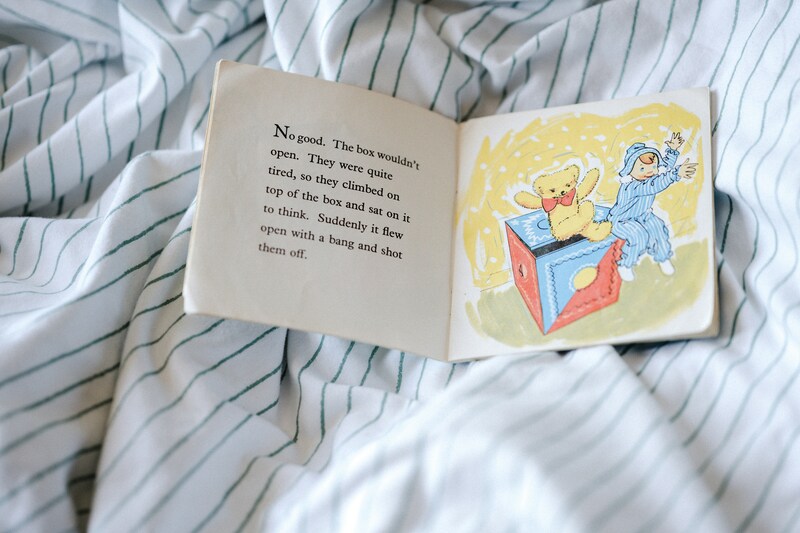
Why Children Book Illustration Sparks Young Minds
Key Takeaways:
- Children book illustration helps children understand stories before they can read, through colors, expressions, and visuals to spark curiosity and build early comprehension naturally.
- Through book illustrations, children are engaged and emotionally connected to stories, making reading more enjoyable.
- Pictures in children’s books help them to learn life lessons and explore emotions, values, and cause-and-effect in a way that feels playful and meaningful.
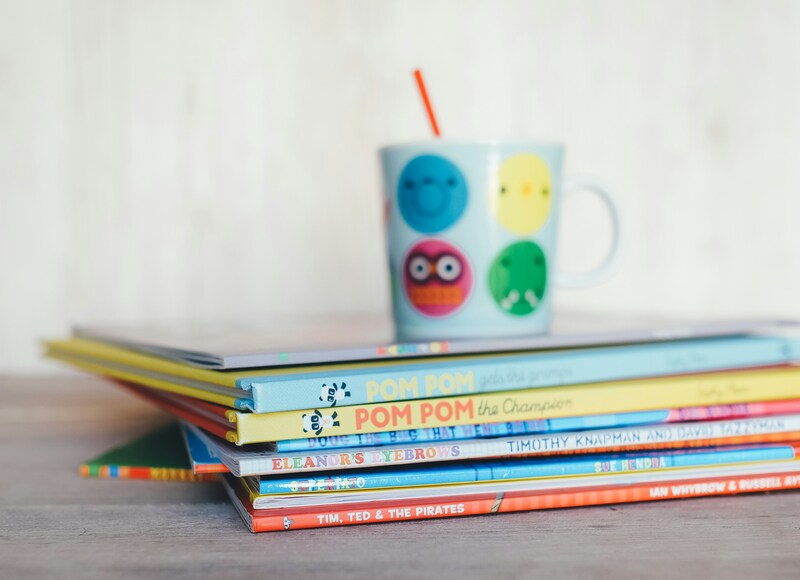
Before children learn to read words, they learn to read pictures. Through shapes, colors, and expressions, children naturally and playfully begin to understand stories. This is where children book illustration plays an important role in early learning. Pictures turn books into a space where children can learn ideas, emotions, and imagination. Of course, they will learn about life lessons without being forced.
In this article, let’s explore how illustration sparks curiosity and helps young minds understand and enjoy meaningful stories.
The First Spark of Wonder on Every Page
Before children can read or understand a single word, illustrations already help them connect and feel comfortable with the story. Pictures will capture their attention, create excitement, and spark curiosity about what comes next. This first impression usually determines whether children will stay with the book and keep reading or put it down.
So, what makes children book illustration so effective at catching children’s attention?
- Covers that make children curious
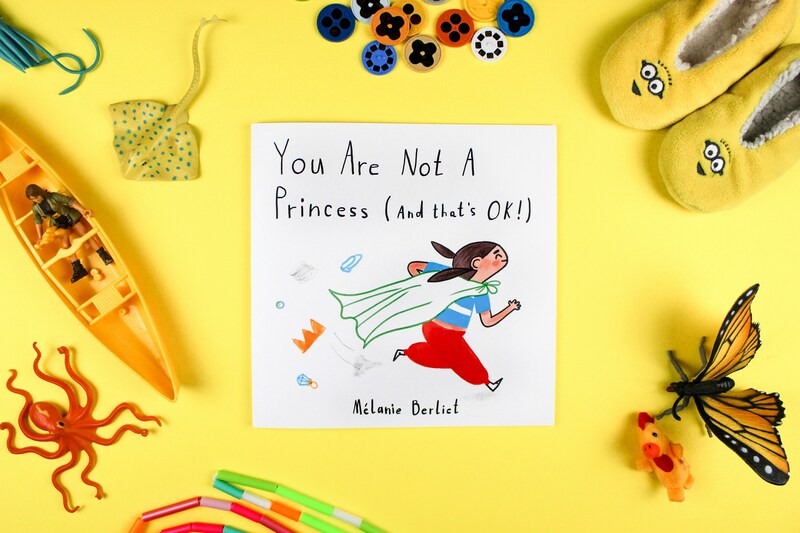
The book with playful compositions, bright colors, or expressive characters will capture kids’ interest. They will be curious, making them open the books to see what’s inside. - Characters that feel friendly and familiar
Children will feel safe and comfortable with characters who have warm, smiling expressions, soft shapes, and familiar emotions. They will view those characters as their friends. - Clear visuals that gently show children where to look
Clear pictures with thoughtful layouts will guide children from one element to another, across the page. Those help them to follow the story even though they haven’t been able to read or understand the words. - Scenes that feel fun, not overwhelming
With balanced illustrations and enough space, children can enjoy details without feeling confused or overwhelmed.
All the elements work together to make reading enjoyable, providing children with a positive experience. If they feel comfortable, relaxed, and curious while reading, they are more likely to keep turning the pages and even fall in love with books.
How Colors and Characters Tell the Story
Colors make book pages look pretty, which will keep children opening the book. These colors help set the mood and even tell children how a story feels. Bold and bright colors, like sunny yellows or bright reds, bring excitement, energy, and movement to the pages. Meanwhile, blue or soft pastels can make any scene cozy and calm.
Not only colors, but also characters, tell children the story visually. It adds more life to the story. Imagine characters who smile, frown, or move in expressive ways. Children (and adults!) will easily understand how characters feel. When characters smile, they are happy; when they cry and have slumped shoulders, they are sad or disappointed. These visual cues will help children recognize human emotions in an enjoyable, natural way. They don’t even need long explanations to understand those illustrations.
With good colors and characters, children book illustration makes children follow the story, even if they are still learning to read. It’s okay if they still can’t understand the text yet. They can still know from the pictures, which helps them enjoy the story with curiosity and confidence, without feeling overwhelmed.

Imaginative illustrations play a vital role in expanding a child’s creative thinking. DO DOGS DREAM?: The Adventures of Link and Remi showcases how vibrant characters and dreamlike settings encourage children to explore possibilities beyond reality. When young readers engage with visually rich adventures, their curiosity and storytelling skills naturally begin to grow.
Little Details That Invite Curiosity
Of course, main characters guide children through the story. However, small details are what make them want to read a book again. These small surprises invite children to look more closely, notice more, and enjoy discovering something new each time they turn a page.
In children book illustration, children can get curious from simple visual details like these:
- Hidden characters or familiar objects
Imagine if you find an object that appears on every page or a tiny, funny creature hiding in the corner. Children love this kind of visual game and will eagerly search for it again as the story continues. - Quiet stories happening in the background
Sometimes, the background tells its own story. These small scenes add extra meaning and depth without pulling attention away from the main characters. - Patterns children enjoy spotting
Children will be proud if they can consistently recognize specific colors, scenes, or shapes. This will make them excited to predict what comes next. - Unexpected details that spark questions
Tiny surprises often lead to big curiosity. Children may ask, “Why is that there?” or “Did you see that?” while pointing out things as they explore each page.
These playful discoveries turn reading into a fun activity of noticing, guessing, and exploring. Children don’t just listen to the story, but they actively engage with it. When pictures and words work together, stories become easier to understand and more memorable. This idea is supported by Reading Rockets, which explains that visual elements help children connect images with words and build better story understanding.
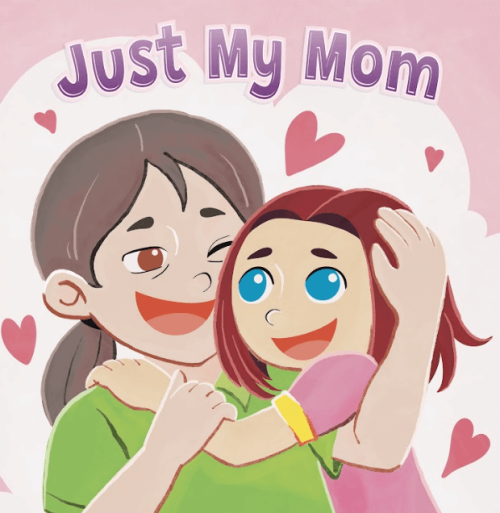
Beyond imagination, illustration also shapes emotional awareness. Just My Mom highlights how expressive character design and subtle visual storytelling can communicate love, connection, and reassurance. Through carefully crafted imagery, children learn to interpret emotions and understand relationships in ways that words alone cannot achieve.
Turning Pictures into Meaningful Life Lessons
Children often learn best lessons from the stories they love to read. Through children book illustration, they learn how to be kind, patient, and brave in everyday life. Through those pictures, all lessons are presented in a friendly, gentle way, not forced.
Children will naturally understand life values and lessons by watching characters help others or address problems. Pictures can help them see what happens after actions, what the effect or result is. Then, you can turn learning into a discovery and a fun experience.
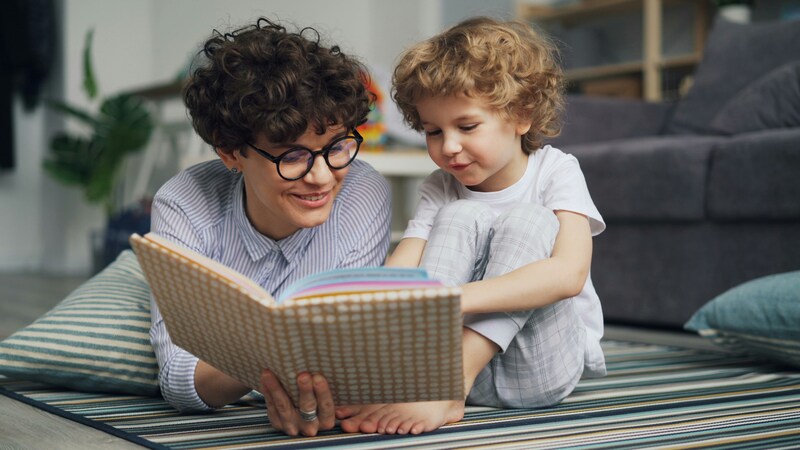
And what about adults? Through book illustration, you can talk with children about their feelings and choices. Try to ask them some simple questions related to the story, like “What did they do?” or “What happened with the boy?” These questions will open the door to meaningful conversation.
Children book illustration can transform abstract ideas into concrete, relatable, and emotional lessons to children. This will surely make life values more meaningful.
Children book illustration is more than making stories look pretty. It invites children to imagine, explore, and connect with the story on every page. Through color, characters, and subtle details, illustrations make reading a joyful experience that children want to revisit again. These illustrated moments often become the starting point of a lifelong love for books. For adults, it helps them to build meaningful conversations with their kids.