
From Words to Wonder: Preparing Your Manuscript for Picture Book Illustration
Kay Takeaways:
- In creating a picture book, a strong story must come first because even the most beautiful illustrations cannot fix a weak narrative.
- In writing a story for a picture book, authors must think visually and avoid repeating details that will already be shown through the illustrations.
- A professional illustrator can handle the artistic side, while the author’s role is to maintain clear communication to ensure the story’s vision is shared and understood.
Words are powerful, but for kids, pictures often speak louder. It is absolutely true. In children’s books, illustrations are not just decoration. They tell the story, bring characters to life, and keep young readers curious from page to page. That is why illustrations play such a vital role.
Even so, before the illustrations come to life, the manuscript must be carefully and thoughtfully crafted. Preparing your manuscript for illustration is such an important step. A strong story paired with well-planned visual direction is what turns simple words into a magical reading experience.
Why Preparing Your Manuscript for Illustration Starts with Story
Before imagining colors or sketching characters, make sure the manuscript stands strong on its own. The heart of a picture book lies in its story. No matter how stunning the illustrations, they will not shine without a solid narrative to support them. That is why the main priority should be crafting a story that flows naturally, speaks to young readers, and leaves room for the illustrations to bring it all to life.
There are reasons why story matters before illustrations.
- A weak story cannot be saved by great art. Beautiful art indeed draws attention, but without a solid plot or message, the book will not hold a child’s interest.
- Illustrators need a clear narrative to bring visuals to life. Only a well-structured manuscript can give the illustrator direction—on pacing, emotions, settings, and character actions.
- Strong stories leave a lasting impression. They use language that fits the child’s age and emotional level. Therefore, it is easier to connect with young readers.
- A well-structured story creates impactful page turns. Strong storytelling ensures that each page turn moves the story forward or builds excitement, which is key in picture books.
Choosing the Right Style When Preparing Your Manuscript for Illustration
Once you have finished the story, the next step is choosing an illustration style that fits its tone. This is not just about making the book look good visually, but it is also about making sure the visuals speak the same emotional language as the text.
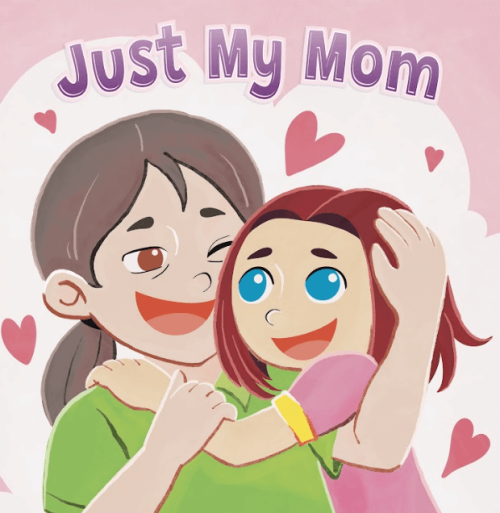
Just My Mom is a beautiful example of how thoughtful narrative and complementary illustrations work hand in hand to convey emotion and meaning. It showcases how visual style can enhance a story’s tone and deepen the reader’s connection with the characters.
If your manuscript is a funny or playful story, like The Pigeon Finds a Hot Dog, it might work best with bold-cartoon-like drawings. On the other hand, if it is a gentle or emotional tale, like The Rabbit Listened, it could be better suited to soft watercolors or detailed pencil sketches.
To start selecting the art style, you can think about these questions as a guide.
- Is your story light and humorous, or calm and reflective?
- Is the setting real-world, magical, or abstract?
- What emotions do you want readers to feel on each page?
- Are the visuals meant to support the story, expand on it, or add humor?
Practical Steps in Preparing Your Manuscript for Illustration
A well-prepared manuscript makes the illustration process smoother, more efficient, and more professional. Here is how to get it ready:
1. Finalize the Text
Before involving an illustrator, your manuscript should be fully completed and clearly structured. It is best to go through several drafts, ideally with feedback from critique partners or editors. It is to ensure the pacing works and the language flows.
Once illustration begins, any significant edits (like changing scenes, removing characters, or adding dialogue) can disrupt the layout, confuse the visual narrative, or require costly revisions. A finalized text gives a strong foundation to create a cohesive and visually engaging picture book.
2. Paginate Your Manuscript
Pagination means dividing your story into the actual pages of a picture book, including the title page, copyright, and end pages. This step is important because it helps you plan how the story unfolds visually and emotionally, page by page. It also ensures there is enough space for key moments, reveals, and pauses in the story.
For example, a big plot twist or emotional moment might work best as a page turn, creating suspense and impact. By paginating early, you give the illustrator a clear roadmap of where text and art should go. It makes the entire process smoother and more collaborative.
3. Add Illustration Notes
Illustration notes can be helpful when the text in the story script does not explain what is happening, especially if the visuals are key to understanding a scene. For instance, if the twist of your story relies on a character doing something not directly mentioned in the text, a short note can guide the illustrator.
Keep your notes brief, clear, and only where necessary. For example, Illustration: “The cat is hiding behind the curtain while the dog looks for it.” However, avoid over-directing. Trust your illustrators’ creativity. They might bring fresh, unexpected ideas that enhance your story even more. Use notes as a guide, not a script.
4. Format Cleanly
Present your manuscript in a clean and easy-to-read format. Use a standard font like Times New Roman or Arial, size 12, with double spacing for readability. Clearly label page breaks, either with numbers (e.g., Page 1, Page 2) or by inserting page breaks in your document. It is to show how you envision the story flowing across pages.
Avoid adding too many colors, stylized fonts, or unnecessary formatting that might distract from the content. A well-formatted manuscript makes it easier for the illustrator, editor, or designer to follow along and understand your pacing, tone, and key scenes. It is a simple but important step toward a smoother collaboration.
Professional Collaboration in Preparing Your Manuscript for Illustration
Creating a picture book is actually a team effort. How you collaborate with your illustrator can make a big difference in the final product. Here are some tips to help ensure the best results.
1. Communicate clearly
Share your vision, tone, and key ideas, but also be open to the illustrator’s creativity. Clear communication builds mutual understanding and trust.
2. Think visually while writing
Picture book stories are not just about words. As you write, imagine scenes that would make strong visuals, like action, emotion, or transformation. Leave space for pictures to speak.
3. Avoid Redundancy
Let the art do its job. If the image clearly shows a red coat, there is no need to describe it in the text. Instead, use words to share things that cannot be seen, like feelings, sounds, or thoughts.
4. Work with professional
You do not need to be an illustrator or artist to bring your picture book to life. Collaborating with a professional illustrator is the best option to try. They can visually interpret the story in ways you cannot imagine. Good illustrators add depth, emotion, and charm to the manuscript. They can turn simple words into vivid scenes. Working with a professional also ensures your book meets industry standards in terms of style, consistency, and print quality.

DO DOGS DREAM?: The Adventures of Link and Remi illustrates how a story with imaginative elements paired with playful illustrations can create a fun and engaging reader experience, showing what’s possible when a manuscript is well prepared for illustration.
Conclusion
A great picture book happens when words and pictures work together. As the author, your role is to build a strong story that gives the illustrator something solid to bring to life. When you write clearly and prepare your manuscript carefully, you help the whole creative process run smoothly. With good planning and teamwork, your story can turn from simple pages into a beautiful book that captures the hearts and imaginations of young readers.