
Writing a Children Book Mistakes Beginners Should Avoid
Key Takeaways:
- Most writing a children book mistakes come from adult habits and ‘good intentions’ to teach or impress children instead of entertaining and engaging them through a story.
- Children’s stories work best when language, length, and structure match their cognitive and emotional development, not adult expectations.
- Fun, curiosity, imagination, and honest feedback from children are more important than complex plots, hidden lectures, or perfect explanations.
Some people may think that writing a children’s book is easy. We just need to write in simple plots and short sentences. Add colorful, fun pictures… and we’re done! However, is that so? In the end, many beginners found that writing for children is challenging. We can’t use the same skill that we use to write for adults.
So, where do most writing a children book mistakes come from? It is not about a lack of creativity. Instead, it often stems from adults’ good intentions and habits. Some adults want to impress, explain, teach, and protect children through stories. All those good intentions are poured into the stories at once. However, rather than entertaining children, these stories become less engaging and enjoyable for young readers.
We must remember that children’s stories are not just simplified versions of adult books. These stories are written explicitly to prompt children to be curious, to imagine, and to form emotional connections, despite their limited reading and comprehension abilities. Here is where most writers forget.
Now, we will discover some common writing a children book mistakes that beginners usually make. By understanding these, we can recognize and avoid them before they make our stories less fun.
Writing a Children Book Mistakes: Forgetting Who the Story Is For
One of the writing a children book mistakes is forgetting who will read our book. It’s children (not adults!).
We often consider what children should learn from our story and how they can understand or appreciate it. By doing this, our story will appeal more to parents than to children.
Imagine a children’s book full of long explanations, mixed with heavy feelings that children haven’t experienced. Or, we put subtle humor that children cannot understand. Will children be able to enjoy those?
Children live inside the moment of the story. If they feel bored or confused with certain scenes, they will lose interest. They still can’t analyze stories like adults. It’s that simple.
We need to ask ourselves: if adults don’t suggest this book, would children choose or read it?
If the answer is no or uncertain, then the story has not aroused children’s curiosity. It means that it is not entertaining enough for them.
Using Language That Is Too Difficult for Children
Another common mistake in writing a children’s book is the use of complex language. We may be afraid that using simple words will ‘dumb down’ our story. Then, we decided to use advanced, abstract vocabulary, poetic descriptions, and long sentences. However, children don’t need those.
Such language will make children unamused. It will slow children down to read and enjoy the story. The language we use should be like stepping stones across a river. That’s why we must ensure that every word helps children move forward, not the other way around.
We must remember that children also undergo stages of reading development. They develop comprehension best when the language aligns with their cognitive and emotional developmental stages.
So, having simple language for our story doesn’t mean it’s boring. Instead, we choose the right words to invite children to the story, rather than push them away.
Making the Story Too Long or Too Complicated
Most writers love their world, their stories. That’s why it’s tempting for us to put everything, from explanations, multiple conflicts, backstories, and so on. Then, those will make the story too complex and lengthy. And, those are not suitable for a children’s book.
We must recognize that children’s attention differs from that of adults. Children will focus when the narrative remains engaging. Beyond that, these will disrupt their attention and may even exhaust them, making it difficult to read or enjoy the story.
A children’s story should not be like a maze. It should be like a straight path. Simple. One clear problem, one emotional journey, one satisfying resolution. Don’t put too many explanations. Let children feel the story fully.
Writing a Children Book Mistakes: Turning Stories into Lectures
Writers, especially beginners, often think they must teach life lessons in obvious ways in their children’s books. This becomes one of the most common writing a children book mistakes.
Children will pull away instinctively when what they read feels like a lecture. No child wants to be told or dictated to about how to behave or what to think. It becomes a burden for them, thereby reducing the story’s excitement.
Let children learn and experience everything with the characters: the emotions, actions, and even consequences. Put the messages hidden behind those, as in classic children’s stories.
Forgetting Fun, Curiosity, and Imagination
The important thing about children is to make everything fun. If something is enjoyable, people will enjoy and be engaged with it, including stories.
We don’t have to put funny and constant jokes into a story. Instead, give moments of curiosity, surprise, and emotional play, for example, an unexpected decision, a magical world, or a strange character. Those will make the story fun, inviting their curiosity so they won’t stop reading. They want to know what happens next.
Let children imagine and explore through the story. Let them have fun.
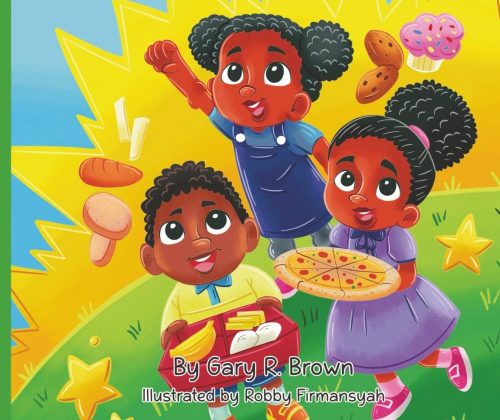
One great way to keep your story fun and imaginative is to look at how adventure and curiosity are woven into successful children’s books. For example, Courageous Kids Chronicles Book I: Roger, Denine, and Buddy’s Night Time Adventures! shows a playful adventure that keeps young readers engaged from the first page to the last — something worth studying when you’re drafting your own tale.
Writing a Children Book Mistakes: Not Testing with Real Readers
Publishing a children’s story without sharing it with real children is one of the biggest writing a children book mistakes!
Adults may assume it won’t be a problem. It will be good, children will love it. However, it’s not the case.
Sharing or testing a story with real children will provide valuable feedback and new insights. Children are honest. They won’t pretend to like something they think is boring or not fun.
Try to read a story aloud to children and observe their reactions. Do they laugh at certain moments? Or lose focus? Do they keep interrupting and asking questions? Are they curious about what will happen? Or do they remain quiet and feel bored?
By doing this, we can determine whether a story is suitable for children or needs revision.
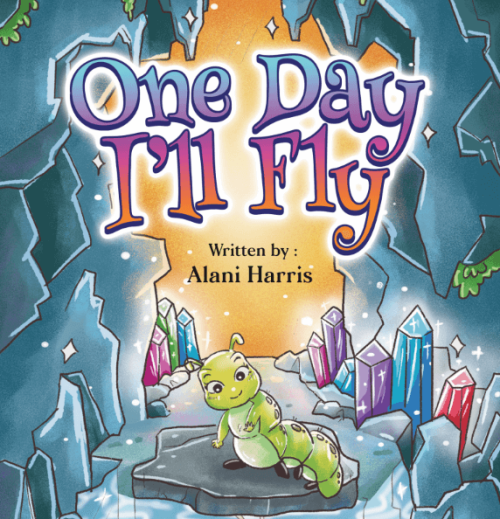
As you refine your own manuscript, it helps to look at examples where story structure, theme, and character growth work beautifully together. One Day I’ll Fly: The Amazing Story Of The Caterpillar Who Didn’t Know She’d Grow Wings is a wonderful picture book that blends meaningful character development with engaging narrative — a strong model for avoiding common writing pitfalls.
Writing a children book mistakes don’t mean those stories are bad. It’s a matter of forgetting our young readers. What they need is something fun that makes them wonder, imagine, and laugh. Don’t force them to deal with feeling lectured.
Writers should let go of adults’ habits and control—no need to be complex, serious, perfect, or explained. Let the story flow with children, not for them. Full of fun, imagination, and curiosity.