How to Hire a Children’s Book Illustrator: A Complete Guide for First-Time Authors
Hiring a children’s book illustrator can be confusing, especially when pricing varies so widely. On freelance marketplaces, illustration packages may start at around $45, while a fully illustrated picture book can cost anywhere from $1,500 to $4,000 or more, depending on the page count, illustration style, revision rounds, licensing, and the illustrator’s experience.
This wide range often leaves first-time authors wondering where to begin and how much they should realistically budget.
The good news is that hiring the right illustrator isn’t simply about finding the lowest quote. A successful collaboration starts with understanding your publishing path, defining your project’s scope, choosing an art style that fits your story, and evaluating illustrators based on both their creative skills and professional experience.
In this guide, you’ll learn who needs to hire a children’s book illustrator, how to compare portfolios and quotes, what questions to ask before signing a contract, and how AI is changing the illustration process for authors and artists alike.
Who Should Find the Illustrator?
Whether you need to hire a children’s book illustrator depends on how you plan to publish your book. Authors pursuing traditional publishing typically don’t need to hire an illustrator because publishers assign artists through their editorial and art departments.
In contrast, self-publishing authors are responsible for finding, hiring, and managing an illustrator throughout the project. Hybrid publishers vary, so authors should always review their publishing agreement before assuming illustration services are included.
| Publishing Path | Who Hires the Illustrator? | What It Means for the Author |
| Traditional publishing | Publisher | Focus on writing a strong manuscript. The publisher usually selects the illustrator. |
| Self-publishing | Author | Choose the illustrator, manage the project, and cover illustration costs. |
| Hybrid publishing | Depends on the agreement | Some publishers include illustration services, while others ask authors to hire freelancers independently. |
If you’re planning to self-publish, understanding your role early can save both time and money. Rather than contacting illustrators immediately, prepare your manuscript, clarify your publishing goals, and decide what kind of artwork your story needs before requesting quotes. This preparation helps illustrators provide more accurate estimates and makes it easier to compare different proposals.
How to Hire a Children’s Book Illustrator
Hiring a children’s book illustrator is easier when you break the process into clear steps. Instead of choosing an artist based solely on their portfolio, define your project first, compare candidates carefully, and establish clear expectations before work begins. This approach helps you find an illustrator whose style, workflow, and budget align with your publishing goals.
Step 1: Define Your Book and Target Audience
Before reaching out to illustrators, identify your target readers, page count, and the overall tone of your story. A board book for toddlers requires a different visual approach than a picture book for early readers, so these details will influence both the illustration style and the project cost.
Prepare a creative brief that includes your manuscript, character descriptions, preferred art direction, timeline, and budget. Providing this information upfront helps illustrators understand the scope of your project and deliver more accurate quotes.
Step 2: Choose an Illustration Style That Fits Your Story
The right illustration style should enhance your story and appeal to your intended audience. For example, bold, colorful artwork often suits humorous stories, while softer textures and muted palettes may work better for bedtime or emotional narratives.
As you explore different styles, create a mood board with visual references that communicate the atmosphere you’re aiming for. Rather than asking an illustrator to replicate another artist’s work, use these references to discuss color, composition, and character design.
Step 3: Find Potential Illustrators
You can find children’s book illustrators through professional agencies, portfolio platforms, freelance marketplaces, referrals, or personal websites. As you compare candidates, look beyond attractive artwork and evaluate their experience with children’s publishing, communication style, and project workflow.
Review complete portfolios whenever possible. Seeing how an illustrator maintains consistent characters and visual storytelling across multiple pages gives you a better understanding of how they’ll handle an entire book.
Step 4: What Questions Should You Ask Before Hiring?
Once you’ve shortlisted a few candidates, ask questions about their experience, timeline, revision policy, pricing, and copyright terms. You should also clarify what deliverables are included, such as cover design, source files, or commercial usage rights.
These discussions help establish expectations before the project begins and allow you to compare illustrators based on more than price alone.
Step 5: Compare Quotes and Understand Pricing
Illustration pricing varies depending on the project’s scope, illustration style, number of pages, revisions, and licensing requirements. While some freelance illustration packages start around $45, complete picture book projects typically cost much more because they involve multiple illustrations, character development, and commercial usage rights. Comparing the services included in each quote is often more valuable than focusing on the lowest price alone.
Step 6: Sign a Contract and Start the Project
Before any artwork begins, sign a written contract that outlines the project scope, payment schedule, deadlines, revision policy, copyright ownership, and final deliverables. A clear agreement protects both the author and the illustrator while reducing the risk of misunderstandings throughout the project.
After the contract is signed, review sketches early and provide feedback before the illustrator moves on to final artwork. This makes revisions more efficient and helps keep the project on schedule.
Step-by-Step Guide to Hiring a Children’s Book Illustrator

If you’re hiring a children’s book illustrator for the first time, use this checklist as a quick reference:
- Finalize your manuscript and identify your target audience.
- Decide on an illustration style that complements your story.
- Create a creative brief with your timeline, budget, and visual references.
- Research illustrators through agencies, portfolio websites, and trusted referrals.
- Review portfolios for consistency in storytelling, not just individual illustrations.
- Compare quotes based on deliverables, licensing, revisions, and turnaround time.
- Sign a written contract before any artwork begins.
- Review sketches and provide feedback early.
- Approve the final illustrations before moving into book production.
Following these steps helps you evaluate illustrators objectively while reducing the risk of budget overruns or production delays.
Can AI Illustrate a Children’s Book?
Yes, AI can illustrate a children’s book, but whether it should depends on your publishing goals. AI image generators have become valuable tools for brainstorming ideas and creating visual concepts, yet they still present challenges around consistency, copyright, and creative control.
For authors planning to publish commercially, understanding these limitations is just as important as learning the technology itself.
How to Get AI to Illustrate a Children’s Book
AI image generators such as ChatGPT, Midjourney, Adobe Firefly, and other text-to-image tools can quickly produce concept art from written prompts. Many authors use them during the early planning stage to explore character ideas, color palettes, or scene compositions before working with a professional illustrator.
However, creating an entire children’s book with AI remains difficult. Picture books often require recurring characters to maintain the same facial features, clothing, proportions, and expressions across dozens of pages. Current AI tools can struggle with this level of visual consistency, meaning additional editing or human illustration is often needed before publication.
AI also works best when prompts are specific. Instead of asking for “a rabbit,” for example, describe the character’s age, clothing, personality, pose, art style, lighting, and background. The more context you provide, the more consistent the generated illustrations are likely to be.
Can I Legally Use AI to Illustrate a Children’s Book?
Using AI-generated illustrations commercially depends on two factors: the platform’s licensing terms and your local copyright laws. Most AI providers allow commercial use under certain conditions, but authors are still responsible for reviewing each platform’s terms before publishing or selling their books.
Copyright is another important consideration. In some jurisdictions, works created entirely by AI may not receive the same copyright protection as artwork created by humans. If your project combines AI-generated images with significant human creativity or editing, the legal outcome may differ. Because regulations continue to evolve, authors should verify the latest copyright guidance before publishing commercially.
Will AI Replace Children’s Book Illustrators?
AI has become a valuable creative tool, but it’s unlikely to replace professional children’s book illustrators anytime soon. While AI can generate images in seconds, it still struggles with visual storytelling, emotional consistency, and maintaining recurring characters across an entire book.
Although generative AI can help authors brainstorm ideas or develop visual concepts, many professionals in children’s publishing continue to emphasize the value of human creativity. The Society of Children’s Book Writers and Illustrators (SCBWI), for example, has stated its opposition to using text-prompted generative AI to create children’s books, citing concerns about originality, copyright, and the role of human creators.
Most respondents viewed AI as a tool for brainstorming or early concept development rather than a replacement for human illustrators. This reflects a broader industry trend where AI supports creativity instead of replacing artistic expertise.
For first-time authors, AI can be useful for generating mood boards or visual references before approaching an illustrator. However, if your goal is to publish a high-quality children’s book with expressive characters and cohesive storytelling, collaborating with an experienced illustrator remains the most reliable approach.
How to Get Started as a Children’s Book Illustrator
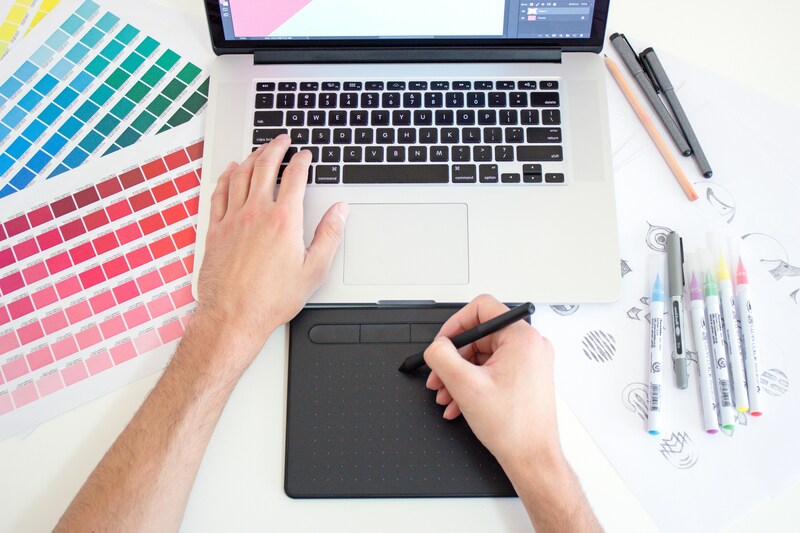
Breaking into children’s book illustration requires more than artistic talent. Publishers and authors look for illustrators who can tell a story visually, create memorable characters, and maintain consistency across every page.
Start by building a portfolio that focuses specifically on children’s publishing. Instead of showcasing unrelated artwork, include sample picture book spreads, character sheets, and sequential illustrations that demonstrate how your characters interact throughout a story.
Many beginner illustrators also find clients through portfolio platforms, freelance marketplaces, and professional organizations. According to Fiverr’s 2026 pricing guide, the average fixed-price illustration package is around $160, although rates increase with experience, project complexity, and licensing requirements. As your portfolio grows, you can gradually adjust your pricing to reflect your skills and the scope of each project.
Networking is equally important. Joining illustration communities, participating in portfolio reviews, and attending publishing events can help you connect with authors, editors, and art directors who regularly commission children’s book projects.
Frequently Asked Questions (FAQ)

How long does it take to illustrate a children’s book?
The production timeline depends on the book’s length, illustration complexity, and revision process. Most picture book projects take several weeks to a few months, especially when they include character development, multiple revision rounds, and cover design. Agreeing on milestones before production begins helps keep the project on schedule.
How many illustrations does a picture book need?
Many traditionally published picture books are 32 pages, but the number of illustrations varies depending on the story and layout. Some books feature artwork on every spread, while others combine full-page illustrations with smaller spot illustrations to support the narrative.
Should I copyright my manuscript before hiring an illustrator?
Copyright laws vary by country, but keeping clear records of your manuscript and using a written contract with your illustrator are important first steps. If copyright registration is available in your jurisdiction, you may also consider registering your manuscript before publication.
Can one illustrator create both the cover and interior illustrations?
Yes. Many professional children’s book illustrators offer both services, helping maintain a consistent visual style throughout the book. Before hiring, confirm whether the quote includes cover design, interior illustrations, revisions, and commercial usage rights.
Do publishers provide children’s book illustrators?
In traditional publishing, the publisher typically selects and hires the illustrator. Self-publishing authors usually manage the hiring process themselves, while hybrid publishers may either provide illustration services or ask authors to source their own illustrator, depending on the publishing agreement.
Conclusion
Hiring a children’s book illustrator is about finding the right creative partner—not simply choosing the lowest price. By understanding your publishing path, preparing a clear creative brief, comparing portfolios carefully, and discussing pricing and copyright upfront, you can build a smoother collaboration from concept to publication.
While AI has expanded the tools available to authors and illustrators, it works best as a complement to human creativity rather than a complete replacement. Whether you choose traditional publishing or self-publishing, investing time in the hiring process will help ensure your illustrations bring your story to life in a way that resonates with young readers.