Passing Down Stories: Why Books Make the Best Heirlooms
Books are more than printed pages bound together—they’re memory keepers, tiny time capsules, and emotional bridges that link one generation to the next. While heirlooms come in many forms, from jewelry to vintage collectibles, books hold a special kind of magic. They grow with families, absorb their stories, and continue to whisper wisdom long after their original readers have grown older. In this article, we’ll explore why books remain one of the most meaningful treasures to pass down through generations and how they create lasting legacies of love, imagination, and shared experiences.
The Sentimental Value of Books in Families
Books have a unique ability to carry not only stories within their pages but also the stories of the people who loved them. A well-loved children’s book often shows signs of life—softened pages, faint smudges of colour pencil, or a child’s uneven handwriting on the inside cover. These imperfections aren’t flaws; they’re memories.
Imagine opening a book from your childhood and finding your name written in large, clumsy handwriting. Or discovering a sentence your parent once highlighted because it made them think of you. These small marks become emotional footprints, reminders that someone once held that book, read that page, laughed at that drawing, or turned that corner of the paper.
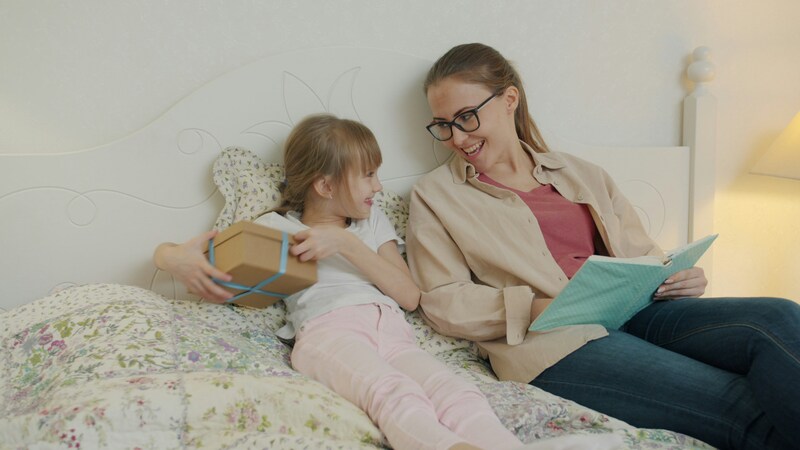
Books, unlike any other heirlooms, have the remarkable ability to make you feel the presence of the person who owned them before. When you read a favourite bedtime story to your own child—the same one your mother read to you—you’re experiencing a moment that transcends time. It’s as if the past is sitting beside you, wrapping an arm around your shoulder, strengthening the emotional bond between generations.
A storybook can feel alive because it holds not only the tale written by the author but also the memories of every bedtime reading, every shared giggle, and every comforting moment spent turning the pages.
The Emotional Bond Between Generations
Families often build traditions around books: the bedtime readings, the festive holiday stories, the books chosen for birthdays, or the special stories grandparents reserve just for visiting days. These small rituals become powerful emotional threads that bind generations together.
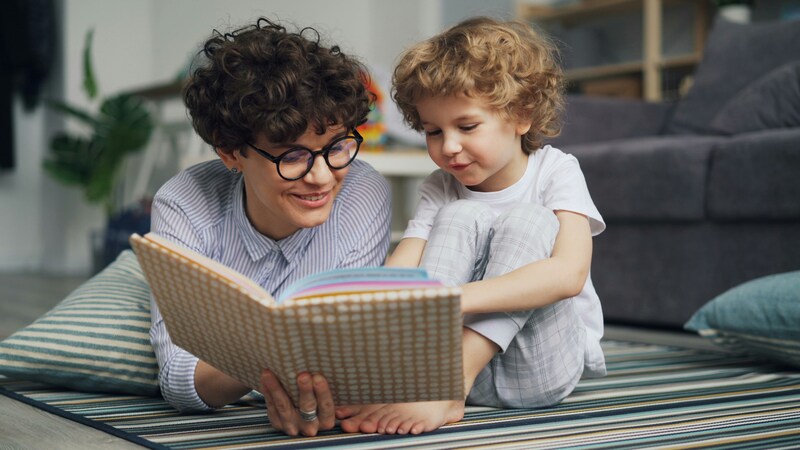
When parents read to their children, they are not only sharing stories; they are sharing themselves. The sound of a parent’s voice, the warmth of sitting together under a blanket, and the habit of pausing to explain a character’s feelings—all of these create emotional memories that stay long into adulthood.
Through books, values can be passed down effortlessly—kindness, empathy, bravery, perseverance—all embedded in characters and tales children naturally absorb. This is not just a story, but a lesson, a tradition, and a part of your family’s identity.
Books become vessels of identity. They hold not just stories, but also cultural narratives, family beliefs, and the gentle lessons parents want their children to carry forward. The act of passing down a book is not simply gifting an object; it is gifting a piece of your family’s history and culture.
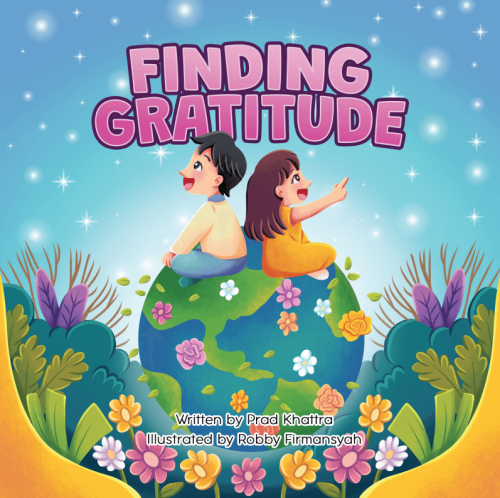
Some children’s books become more than just bedtime stories—they become meaningful keepsakes. Finding Gratitude is a wonderful example of a story that carries gentle life lessons about appreciation and kindness. Books like this often stay on family shelves for years, quietly becoming part of a child’s memories and eventually something they may pass down to the next generation.
Books vs. Other Keepsakes
Many heirlooms are beautiful, but not all hold a story. Jewelry sparkles. Antiques impress. But books speak.
What makes books different from other keepsakes?
1. They Change with Each Reader
A necklace will look the same for generations. A book, however, becomes something new every time it is opened. A child may focus on the illustrations, a teen may find deeper meaning in the narrative, and an adult may discover themes that once went unnoticed. A story evolves, and so does its emotional impact.
2. Their Value Grows Over Time
Books often gain sentimental worth. A story that once comforted you becomes even more meaningful when it comforts your child. A message you found inspiring as a teen becomes profound when life’s experiences reshape your understanding of it.
3. They Invite Interaction
A book is meant to be touched, flipped through, read aloud, and enjoyed with others. Keepsakes that sit behind glass may be admired, but books are lived with.
4. They Carry Invisible Memories
The experience of reading a story—where you were, who was with you, how you felt—becomes part of the book’s identity. These memories don’t fade; they deepen.
Books are keepsakes that don’t just sit quietly on a shelf. They wait patiently to be rediscovered, ready to pass on their wonder.
Choosing Books to Pass Down
Not every book becomes a family heirloom—but some deserve the honour. When choosing books to pass down, think in terms of meaning rather than monetary value.
1. Choose Classics with Timeless Lessons
Stories that explore kindness, courage, imagination, and friendship tend to resonate across generations. Classic children’s books like ‘The Velveteen Rabbit’, beautifully illustrated stories like ‘Where the Wild Things Are’, or tales filled with whimsical adventures like ‘Alice in Wonderland’ are often cherished for decades.
2. Include Books with Personal Significance
Maybe it’s the first book your child could read independently. Or the book you used to calm them on difficult days. Or a story your family loved during the holidays. Meaningful books don’t need to be famous—they just need to be loved.
3. Add Personal Touches
Personalisation enhances the heirloom quality:
- Write a dedication on the inside cover
- Include a small story about when or why you bought it
- Add notes, sketches, or pressed flowers
- Let children decorate the first page with their handwriting
These touches transform a simple book into a deeply sentimental treasure—a record of your family’s joy and growth.
4. Consider Beautifully Illustrated Books
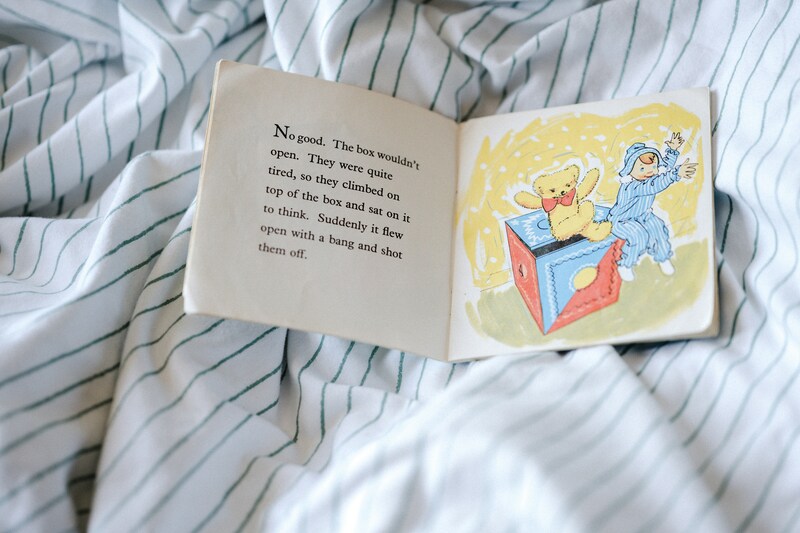
Illustrations often become the most memorable part of childhood reading. They help children understand emotions, settings, and mood. Books with expressive, magical, or whimsical art tend to be treasured for their visual storytelling as much as their written one.
Creating a Legacy of Storytelling
Passing down books is more than gifting heirlooms—it is nurturing a family culture that celebrates imagination, empathy, and connection. It’s also a powerful educational tool that fosters a love of reading and learning in children.
Begin by creating a “family library,” a small collection of special books that hold meaning for you. Encourage children to take part in caring for these books, choosing favourites to pass down, and adding their own stories along the way.
When you read together regularly, children learn that stories are not just temporary entertainment but moments worth treasuring. They grow up valuing books not just as objects but as emotional anchors—reminders of the people who loved them first.
This legacy will stay with them, shaping how they view relationships, family traditions, and the importance of storytelling. And when they become adults, they’ll pass the same stories—and feelings—forward.
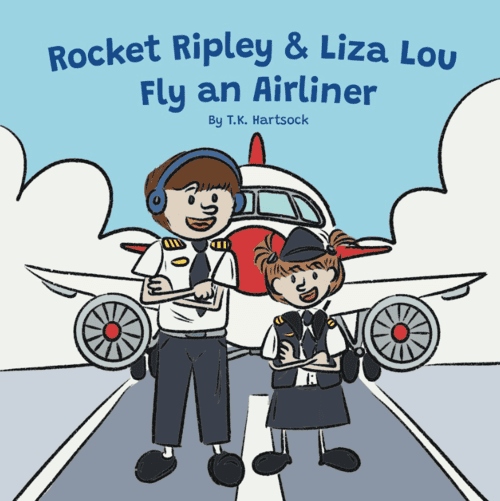
Childhood adventures often leave the strongest impressions. Stories like Rocket Ripley and Liza Lou Fly an Airliner capture the excitement of imagination and exploration that many readers remember long after growing up. Books that spark this kind of joy often find their way back onto family bookshelves years later, shared again with the next generation.
Books as Timeless Bridges Between Past and Future Generations
Books hold a kind of magic no other heirloom can replicate. They capture voices, memories, lessons, dreams, and moments of love within their pages. When passed down, they become bridges—connecting who we were, who we are, and who our children will become.
A well-loved book isn’t just read.
It’s lived, shared, remembered, and cherished.
And that is why stories will always make the best heirlooms.