Custom Character Design for Children’s Books: Why It Counts
~Real friends shape our experiences, well-crafted characters guide the story’s world.~
In children’s books, characters are what make a story come alive. Through them, the young readers can feel the emotion, imagine the facial expression, follow the adventure, and engage to the story. Therefore, creating the right characters is a key to capturing readers’ attention and keeping them attracted from first page to the last.
Thanks to custom character design, stories can have unique characters which are relatable to children.
What is Custom Character Design?
Let’s start with the definition of character design. It is known as the process of making characters for any publication, including books, comics, animated films, toys, and video games. The word custom means something made for specific or particular purposes. Therefore, custom character design can be defined as the process of creating unique, original characters tailored specifically for a certain story, audience, or purpose.
Unlike generic or pre-made characters, custom-designed characters are made from scratch to match the story’s theme, mood, and target readers. As the result, the characters become more relatable, memorable, and engaging for readers.
A character starts as an idea. This idea includes their personality, how they act, and what they look like. Then, the designer draws the character or uses a computer to create it. In addition, according to Coursera, the designer should focus on these three key elements in order to make the character design strong and appealing.
- Silhouette − A silhouette shows only the outside shape of a character, without details like face or colors. It helps people recognize the character just by its outline. The lines, curves, and angles used in the silhouette can give meaning. For example, round shapes can make a character look friendly and cute, while sharp angles can make them look scary or strong. This is called shape language.
- Color palette − A color palette means the group of different colors used to design a character. Choosing the right colors helps show the character’s personality and feelings. This is called color theory. For example, red can make a character seem bold or full of energy, while green can make them feel calm or close to nature.
- Exaggeration − Exaggeration means making some parts of a character stand out more than normal. For example, you might make the eyes bigger or give the character fun and dramatic movements. This helps show the character’s personality. Exaggeration makes characters more fun and easier for children to remember.
Why Custom Character Design Matters in Children’s Books?
In children’s literary works, characters and their visualization are everything. Here are some reasons why custom character design is important.
Characters Build Strong Emotional Bonds
Custom character design is important because it creates unique and relatable characters that match the story and the readers’ feelings. When characters look and act in ways that children recognize or admire, they are more likely to care about the story and stay interested. This connection helps children enjoy reading and learn from the book.
For example, the Elsa character from Frozen. She has a very distinctive look and personality. Wearing her icy blue dress is one of her signature features, which helps make her easily recognizable. In addition, Her strong and independent character, along with her magical ice powers, inspires many children.
Powerful Characters Share Life Lessons Naturally
Well-designed characters in children’s books often show important values like kindness, bravery, and honesty through their actions and choices. When kids follow these characters’ journeys, they learn these lessons naturally without feeling like they’re being taught. This makes the story more engaging and helps children remember the values better.
A child may learn how to be brave after knowing the character of Belle from Beauty and the Beast. She faces challenges with courage and kindness, teaching children to be strong and caring in difficult times.
Unique Characters Enliven the Story Plot
Strong and unique characters bring the narrative to life with their distinct looks, personalities, and actions. In children’s books, characters often lead the story and their behavior drives the events forward. A well-designed character can turn a simple storyline into an exciting and meaningful journey that captures the reader’s imagination.
This is why custom character design is so important in children’s books. When characters are carefully and creatively crafted, they fit perfectly into the plot, strengthen the message, and keep readers interested from beginning to end. A strong character doesn’t just support the story because THEY ARE THE STORY.
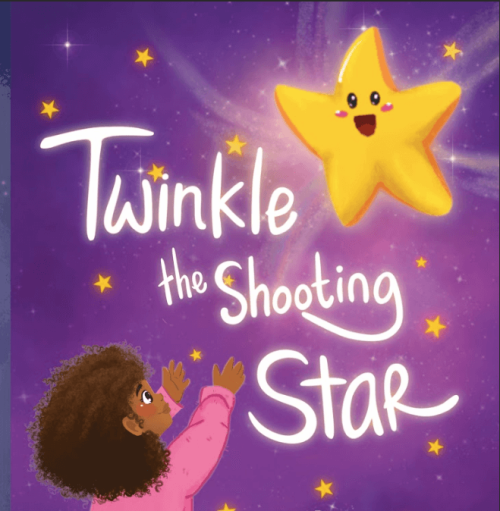
Imagination plays a huge role in memorable character design. A great example can be seen in Twinkle the Shooting Star, a magical picture book where a lost shooting star becomes a charming character that children instantly connect with. Characters like Twinkle show how fantasy elements, expressive visuals, and emotional storytelling can transform a simple idea into a character that feels alive on the page.
Bring Elements of Character Design for Children Stories
Creating custom character design is not an easy task, yet it is doable. These five key elements mark strong and appealing characters for children’s books.
Simple Shapes, Strong Impact
Simple characters are easier for children to recognize and remember. Use basic shapes like circles, squares, or triangles. They are clean and uncomplicated lines. For example, characters like Peppa Pig or Hello Kitty are very easy for kids to remember and redraw because of their simple design. Simplicity also helps children focus on the character’s expressions and actions without being distracted by too many details.
Bold Colors, Lasting Impression
The right color selection is very important in children’s character design. It makes a character more appealing, easier to recognize, and more memorable for readers.
Take Peppa Pig as an example, she uses bright pink for her body and red for her dress. This combination gives a cheerful, warm, and friendly impression, which matches Peppa’s active and curious personality. Meanwhile, SpongeBob SquarePants is dominated by bright yellow, reflecting his cheerful, optimistic, and energetic nature. These two characters are also strongly remembered by children thanks to their color choices.
Unique Traits, Strong Memorability
Dora the Explorer, with her bob haircut and purple backpack, and the Minions, with their small round yellow bodies, are good examples of strong memorability.
Memorability means the character is easy to remember. To support this memorability, it is important to add unique features, such as a cute hairstyle, bright clothing, a different body shape, or special accessories. These unique traits help the character stand out from others and make children recognize them easily, even after seeing them just once.
Relatable Personality, Meaningful Bond
Relatable personality means giving the character qualities that young readers recognize in themselves or people they know. When children see these qualities in a character, they feel like they share something with them. This connection makes the story more interesting and helps children care about what happens to the character. It also makes learning from the story easier because they feel involved.
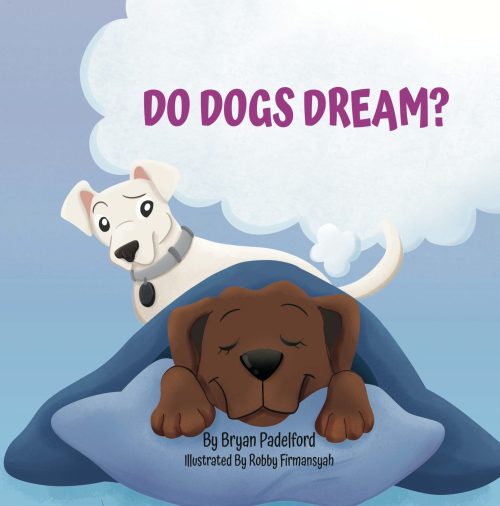
Strong character design also relies on personality and playful expression. In Do Dogs Dream?: The Adventures of Link and Remi, the two energetic pups bring humor, curiosity, and imagination into their dream-world adventures. Their lively personalities demonstrate how expressive characters can instantly engage young readers and make a story far more memorable.
Custom character design is more than just drawing pictures or creating illustrations for children’s books. It actually makes the story come alive and helps kids feel connected. Unique and strong characters help tell the story and share important lessons clearly with readers. Finally, good character design keeps readers interested and helps them remember the story and its values for a long time.