Children Picture Books: The Magic Beyond Illustrations
Key takeaways:
- Picture books teach children how to interpret images and connect them to verbal meanings.
- Children’s picture books provide a safe space for children to explore complex feelings and social situations.
- A great picture book relies on the perfect balance between the “unspoken” art and the written word.
- Professional illustration involves layers, progressing from rough thumbnails to final lighting and texture.
Children’s picture books are often a child’s very first gallery visit and their first library rolled into one. At first glance, they might seem like simple stories paired with colorful drawings.
However, there is a profound “magic” happening beneath the surface. These books are sophisticated tools that shape how children perceive the world, process emotions, and develop a lifelong love for reading.
In this guide, we will explore why these books are so significant, what makes them work, and how you can bring your own stories to life through professional-grade illustration.
Why Children Picture Books Matter More Than You Think
Many people assume picture books are just “pre-reading” material. In reality, they are essential for cognitive and emotional development.
Building Visual Literacy
Before a child can decode the alphabet, they decode images. This is called visual literacy. When a child looks at a character’s slumped shoulders or a dark, stormy sky in an illustration, they are learning to read “subtext.”
They understand that the character is sad or that danger is coming without a single word being written. Indeed, this skill is vital in our modern, image-heavy world.
Emotional Regulation and Empathy
Books act as “mirrors and windows.” They are mirrors: when children see their own lives reflected, they feel less alone. They are windows when they show lives different from their own, fostering empathy.
Whether it’s a story about losing a pet or making a new friend, picture books provide the vocabulary for emotions that children may not yet know how to name.
Strengthening the Parent-Child Bond
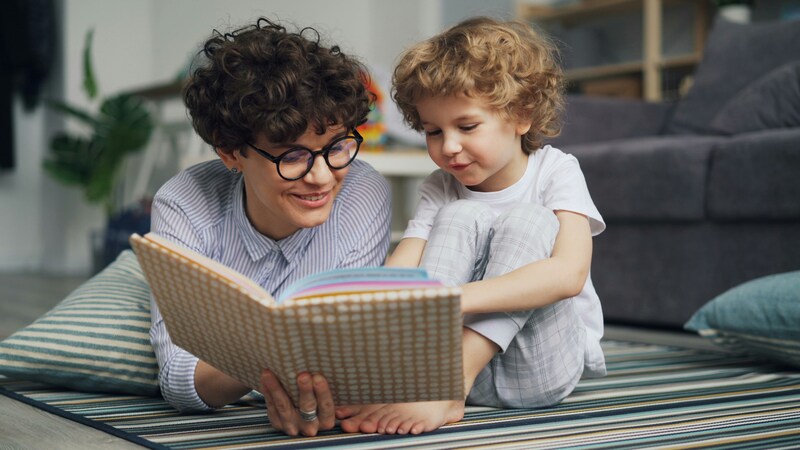
The physical act of sharing a picture book creates a unique “triangle of connection” between the adult, the child, and the book. This shared focus improves a child’s attention span and creates positive associations with learning that can last a lifetime.
Core Components of Successful Children Picture Books
Creating a successful children’s picture book is an exercise in restraint and harmony. You aren’t just making a book; you are creating an experience.
1. The Interplay of Text and Art
In a great picture book, the text should never describe precisely what the picture is already showing. If the text says, “The cat sat on the mat,” and the picture shows a cat sitting on a mat, the book is redundant.
Instead, the magic happens in the gap. Perhaps the text says, “The cat was a perfect angel,” while the illustration shows the cat knocking a vase off the table. This irony engages the child’s brain and makes the story funny and memorable.
2. Pacing and Page Turns
Picture books are physical objects. The “page turn” is a storytelling tool. You can use it to build suspense, deliver a punchline, or transition to an entirely new world. Most standard picture books are 32 pages, which creates a specific rhythm that authors and illustrators must master.
3. Character Consistency and Appeal
A character doesn’t have to be “cute,” but they must be expressive. Since the target audience is still learning to navigate the world, characters with clear silhouettes and expressive eyes help children track the story’s emotional beat.
Consistency is also key! The reason is that a child will notice immediately if a character’s hat changes color from one page to the next!
A Step-by-Step Guide to Professional Picture Book Illustration
If you are an aspiring illustrator or an author-illustrator, the process can feel overwhelming. Breaking it down into steps makes the “magic” manageable.
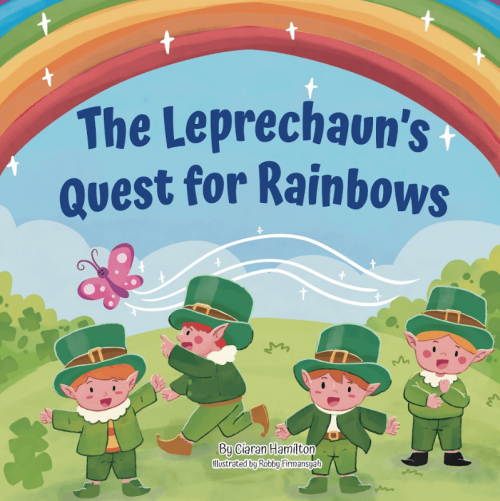
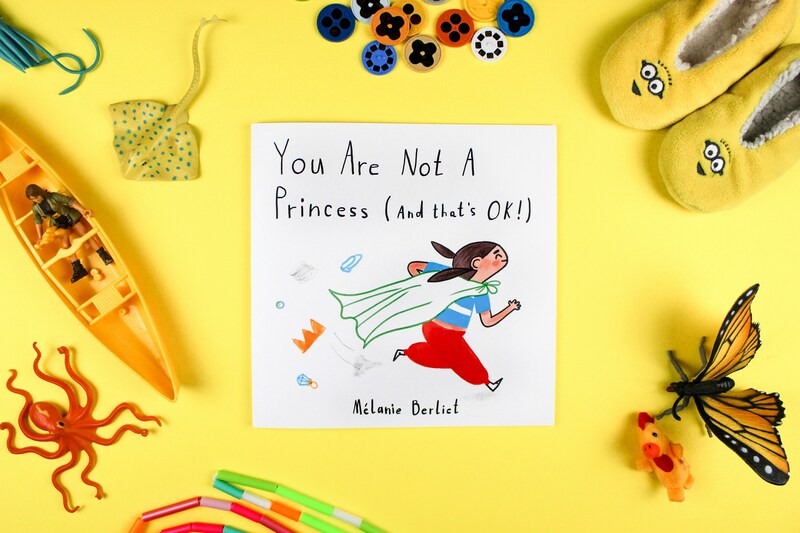
This enchanting picture book takes young readers on a magical adventure full of vibrant illustrations and playful quests — a perfect example of how visuals can ignite imagination in every story.
Step 1: Character Design and World Building
Before you draw page one, you need to know who your characters are. Draw your protagonist from several angles (front, side, three-quarters) and in different emotional states. This “character sheet” will serve as your reference to ensure consistency throughout the book.
Step 2: The Storyboard (The Map)
The storyboard is a series of small, rough sketches (thumbnails) of every page in the book. This is where you decide the “camera angles.”
- Use a close-up for emotional moments.
- Use a wide shot to show a new setting.
- Ensure there is enough “white space” for the text to live comfortably.
Step 3: Rough Sketches and Composition
Once the storyboard is set, enlarge your favorites and refine the sketches. Focus on the flow of movement. In Western cultures, we read from left to right, so your characters should generally move toward the right side of the page to “pull” the reader into the next page.
Step 4: Color Palette and Lighting
Color is the most direct means of communicating mood. A story about a cozy home might use warm oranges and soft yellows. A story about a spooky forest might use cool blues and deep purples. Stick to a limited color palette to give the book a cohesive, professional feel.
Step 5: Final Rendering and Texture
This is where you add the “sparkle.” Whether you work digitally (Procreate or Photoshop) or traditionally (watercolor, gouache, or collage), this stage is about adding depth. Use textures to make the world feel touchable—the fluff of a rabbit’s fur or the grain of a wooden floor.
The magic of children’s picture books lies in their ability to say so much with so little. They are a collaborative dance between the writer’s words and the artist’s vision. For a child, these books are more than just paper and ink. They are the foundations of how they think, feel, and dream.
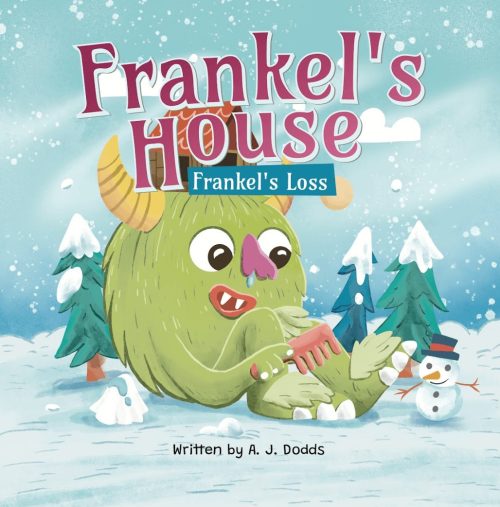
In this heartfelt tale, art and narrative come together to help children explore emotions and empathy. The illustrations support the story’s mood and message, showing the deep potential of children’s picture books.
Whether you are a parent reading at bedtime or an artist picking up a stylus for the first time, remember that you are participating in a powerful tradition of visual storytelling. It’s a medium where a few well-placed lines and a splash of color can change a child’s perspective forever.
So, would you like us to help you brainstorm a storyboard layout or a character concept for your own children’s picture book idea? If yes, you can contact our dedicated team, Mehibi Studio, via this website.