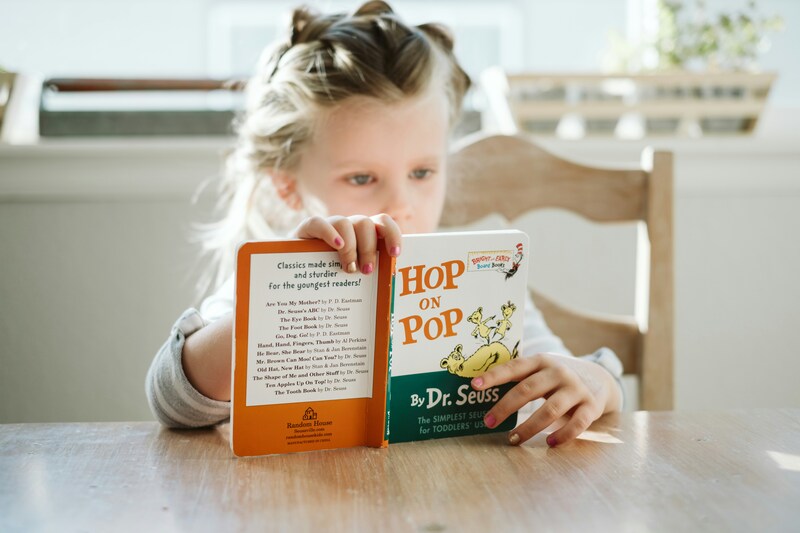

Marketing Children Books: Strategies to Reach Readers
Key Takeaways:
- Successful children’s book marketing begins with understanding both young readers’ interests and the adults who buy the books—parents, teachers, and librarians.
- Build an engaging website, use social media platforms to share behind-the-scenes content, and start an email newsletter to stay connected with your audience.
- Testimonials from parents or educators and collaborations with parenting or teacher influencers can expand your reach and boost credibility.
In the world of children’s literature, making stories and illustrations is not the only hardest thing to do. Marketing a children’s book presents its own unique challenges. Successful marketing children books requires understanding both young readers and the adults who make purchasing decisions.. Unlike books for adults, you are targeting two audiences at once. First is the young readers who will fall in love with the story. Second is the adults (parents, teachers, or caregivers) who will buy the book for them.
Reaching both kids and their parents needs a smart but simple approach. Parents want books that are good and safe for their children, while kids want stories that are fun and exciting. Good marketing finds a way to speak to both. When it is done well, it does not feel like selling. It feels like sharing something special that families enjoy together. That is what makes a children’s book truly magical.
Marketing Children Books Starts with Understanding Your Readers
Understanding your audience is like having a map before starting a journey. A great children’s book starts with a strong connection to its readers. Therefore, it is essential to know the age group you are writing for, what excites them, how they think, and what keeps them turning the page. Whether it is silly animals or magical adventures, matching your story to the children’s world makes all the difference.
Adults, on the other hand, often look for stories that are age-appropriate, educational, or emotionally meaningful. Parents, teachers, and caregivers want books that not only entertain but also teach values, spark curiosity, or support learning goals. Understanding both what children enjoy and what adults value is key to creating a book that connects and gets chosen.
Crafting a Heartfelt Brand Story
A story that touches the heart will be remembered for a long time. In children’s books, this does not just apply to the story inside the pages, but also to the story behind the book itself. Why did you write it? What message do you hope children take from it?
Sharing your personal journey, whether it is inspired by your own childhood, a moment with your kids, or a cause you care deeply about, helps your audience connect with you on a deeper level.
Parents, teachers, and even kids love knowing the reason behind a book. Why did you write it? What inspired you? Sharing this makes your story more meaningful. Let your personality show in your website, social media, and author bio. Keep your words warm, honest, and simple. When people feel connected to you, they will trust your book, support your work, and tell others about it.
Online Strategies for Marketing Children Books
Everything is online now, including the children’s books marketing. People can easily find and buy books from marketplaces. That is why, you need to take advantage of online marketing strategies, as they have been proven to result in high returns when done correctly.
Marketing children’s books online does not have to be overwhelming. It can actually be fun!
Start by creating an author website where potential readers, fans, or families can learn more about you and your books. Add little fun touches like free coloring pages or storytime videos.
Next, on social media, share behind-the-scenes moments, silly character clips, or tips for parents. You can also start a friendly newsletter with freebies to keep readers coming back. Do not be shy to team up with parenting bloggers or teachers who love books too. The key is to stay warm, creative, and real. It is just like the stories you write.
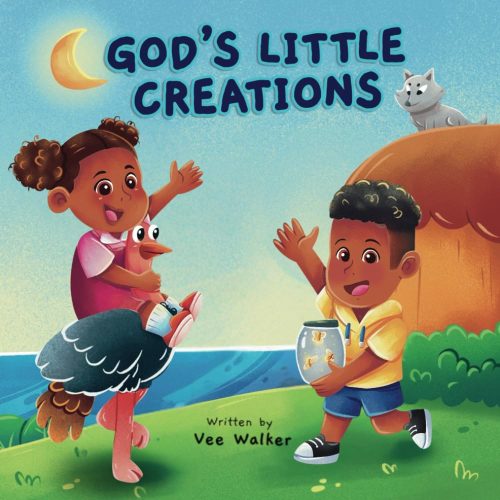
God’s Little Creations highlights how value-based children’s books can connect deeply with parents. Books with clear messages and gentle repetition are often easier to promote through email newsletters, parenting communities, and family-focused platforms.
Offline Promotion in Marketing Children Books
Though digital strategies are important, offline promotion still matters as it remains a valuable part of marketing steps. It creates personal connections that digital efforts can’t always surpass.
Events like book signings, school visits, library readings, or local fairs give authors the chance to meet readers and their families face-to-face. These moments help build trust and loyalty, making your book memorable. This definitely can’t be done online.
Additionally, offline methods like distributing flyers, posters, or bookmarks in bookstores, schools, and community centers can boost local awareness. Partnering with libraries and schools for reading programs or giveaways can also increase your children books’ visibility. Therefore, combining offline and online marketing strategies is the best way to try.
Reviews, Influencers, and Word-of-Mouth in Marketing Children Books
Another marketing strategy worth trying for your children’s book is using testimonials. In every marketing approach, trust is everything. Testimonials or reviews from parents, teachers, and librarians can reassure potential buyers that your book is worth reading.
Collaborating with parenting influencers or teacher content creators on social media also helps you reach wider audiences. Next, let the power of word-of-mouth work for you. When families enjoy reading your book, they will share it with others.
Advertising on a Budget
No need to spend much on a book’s advertisement. There are many smart and low-cost ways to promote it effectively. For example, running small Facebook or Instagram ads, just 2 or 5 a day, can help you reach parents, teachers, or book-loving communities.
You can also join parenting groups, offer free downloads like coloring pages, or collaborate with other authors for joint promotions. The key is to be creative, consistent, and connect with the right audience. Even on a small budget, your story can find its way into many happy little hands.
Other budget‑friendly options may include:
- Listing your book on online marketplaces (Amazon, Goodreads) with optimized keywords so it appears in relevant searches.
- Participating in relevant Facebook groups or parenting forums and sharing helpful tips or book excerpts (without being spammy).
- Using your email list to announce promotions, read‑aloud events, or downloadable goodies such as coloring pages tied to your book.
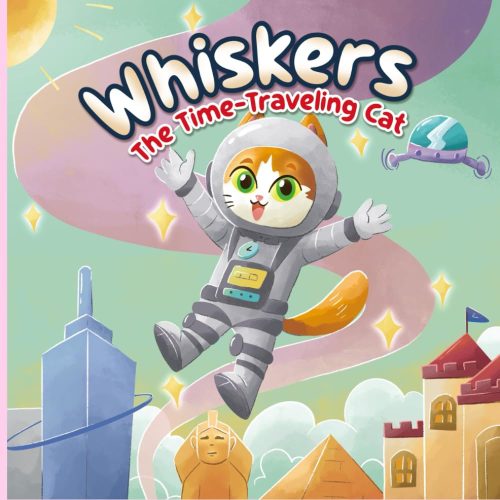
Whiskers the Time-Traveling Cat shows how a strong story concept can become powerful marketing content. Adventure-driven books like this are easy to promote through social media posts, short video teasers, and storytelling campaigns that spark curiosity in both kids and parents.
Conclusion
Marketing children books takes heart, strategy, and consistency. Start by understanding both the kids who will enjoy your book and the adults who will buy it. Create a warm, honest brand story, and use a mix of online and offline ways to share it. Whether it is posting online, visiting a school, or getting a kind review, every little step helps. Keep sharing your story with love. Eventually, the right readers will find their way to it.