The Magic of Animal Characters in Children’s Stories
Why Animals Are Perfect Storytelling Companions
There’s a little bit of magic in every story that stars a talking animal, isn’t there?
From brave lions to shy bunnies, these furry (and sometimes feathery!) friends have a way of capturing children’s hearts like nothing else. They speak in a language of wonder — one that even the youngest readers can understand.
Animals are nature’s storytellers. They help children explore emotions, adventures, and life lessons without the weight of grown-up seriousness. Through their eyes, the world feels safer, simpler, and endlessly full of possibility.
As we beautifully put it, animals act as a bridge between fantasy and familiarity. They make the wild imaginable, and the imaginable comforting. It’s no wonder children love them so deeply.
What Animal Characters Teach Children
Children’s stories have always used animals to express big feelings in small, friendly ways.
A gentle bear learning to share, a mischievous fox discovering honesty, or a penguin finding courage; each lesson feels natural because it’s shown through action and empathy rather than rules and scolding.
That’s the quiet genius of animal characters: they teach without teaching.
When a child sees a puppy apologize or a bird forgive, they feel what kindness means, long before they can explain it.
Animals also make the world a little fairer. They strip away the differences of age, race, or background and remind us that everyone, whether feathered, furry, or human, deserves to be seen and loved.
And for many children, an animal character becomes more than a figure on a page; it becomes a friend. Someone who listens, understands, and helps them explore feelings that might otherwise feel too big.
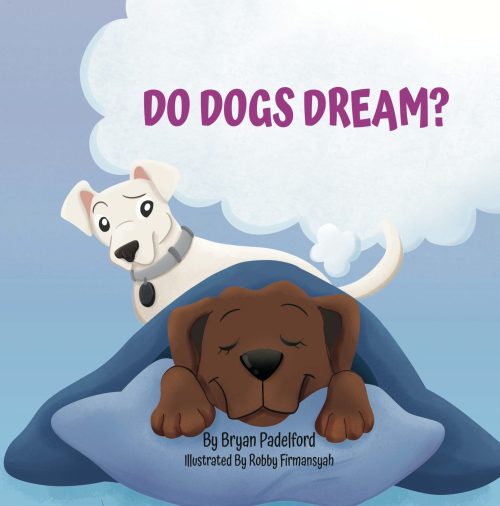
Animal protagonists often make stories more playful and imaginative. A good example is DO DOGS DREAM?: The Adventures of Link and Remi, where two curious pups explore adventures in their dream world. Characters like these allow children to see familiar animals in fun and imaginative situations, making the story both relatable and exciting.
From Fables to Modern Picture Books
Long before bedtime stories and picture books, animals were already teaching us about life.
In Aesop’s fables, they carried timeless truths — the patient tortoise, the proud hare, the clever crow. Later, beloved authors like Beatrix Potter, Rudyard Kipling, and E. B. White gave those lessons a beating heart, turning fables into living worlds full of charm and emotion.
Today, that tradition continues, but with new layers of meaning. Modern picture books feature animal characters to explore friendship, diversity, mental health, and the environment.
A little whale may explore loneliness, a fox might learn to share space with others, and a chameleon could find joy in being different.
Even as storytelling evolves, one thing never changes: children still find comfort in animal eyes. These characters give them courage to face new feelings, and hope that every story — even the scary ones — can have a gentle ending. They provide a sense of reassurance and comfort that is invaluable in a child’s emotional development, making them feel secure and at ease.
The Art of Creating Memorable Animal Characters
Creating animal characters that stay in a child’s heart takes both imagination and empathy. For illustrators, it’s not just about drawing a cute bear or a clever fox — it’s about breathing life into them.
Every tilt of the head, every flick of a tail, every sparkle in the eyes tells part of the story. Through color and texture, illustrators turn emotions into something children can see and touch. A nervous mouse with trembling whiskers, a sleepy cat curled up in soft pastels, even without words, they speak volumes.
To craft animal characters children truly adore, storytellers often follow three gentle principles:
- Keep them real but magical. The best animals feel believable even in fantasy. A talking rabbit may wear a hat, but it still hops and wiggles its nose.
- Show emotion clearly. Young readers read with their hearts first, eyes second. Expressions matter more than explanations.
- Let every line feel alive. Whether it’s a paw print, a feather, or a smile, each detail carries warmth.
As many illustrators know, when you draw from emotion, the character starts to breathe on its own — ready to jump from the page straight into a child’s imagination.
Symbolism and Deeper Meanings Behind Animal Tales
Animals don’t just make stories fun, they make them meaningful.
A lion teaches bravery, a butterfly symbolizes change, and a turtle reminds us to be patient and kind. These archetypes help children understand ideas that might be too big to explain directly.
They also reconnect young readers to the natural world. In a time when so much play happens on screens, animal stories reawaken that sense of wonder — the thrill of exploring forests, rivers, and skies. They whisper to children: “You’re part of this world too.”
Through animal characters, kids learn empathy not only for people, but for every living thing. And that early sense of care often grows into a lifelong love for animals and nature.
Why Animal Stories Endure Across Generations
There’s something timeless about curling up with a story that features a wise old bear or a daring little mouse. Maybe it’s nostalgia, or maybe it’s something deeper, the shared heartbeat of storytelling passed down from one generation to the next.
Parents reading Winnie-the-Pooh or Charlotte’s Web often rediscover their own childhood feelings. Every laugh, every tear, every soft smile becomes part of the family story. These books aren’t just paper and ink; they’re keepsakes of love and memory.
Across cultures, too, animal stories carry universal meaning. From the loyal cranes of Japanese folklore to the clever spiders of African tales, animals help people everywhere make sense of life’s joys and struggles.
They remind us that species or borders do not bind courage, kindness, and curiosity.
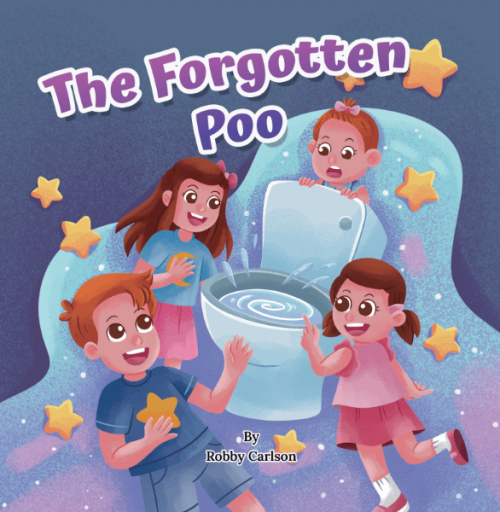
Humor also plays a big role in children’s storytelling. Books like The Forgotten Poo show how funny and relatable situations can keep young readers engaged. Playful stories—whether featuring animals or everyday experiences—help children enjoy reading while learning through laughter.
The Enduring Power of Animal Characters
At the heart of every unforgettable children’s story lies connection — between imagination and empathy, story and soul, reader and friend. And that connection often wears fur, feathers, or scales.
Animal characters remind us to look at the world with soft eyes. They show children that it’s okay to be scared, brave, silly, or curious — sometimes all at once. And they remind grown-ups that those same feelings never truly go away.
Because deep down, we all have a favorite animal friend who taught us something important:
That kindness matters. That courage is quiet. That love — in every shape and size — is what makes a story truly magical.
So next time you open a picture book filled with charming animal friends, take a moment to pause. You’re not just reading; you’re revisiting the part of yourself that still believes in wonder. And that, perhaps, is the greatest magic of all.