

Parts of a Book Cover: Understanding Every Element of a Professional Book Design
Book covers do much more than protect the pages inside. They serve as a powerful marketing tool that can influence whether a reader picks up a book, clicks on an ebook listing, or moves on to another title. A well-designed cover communicates the genre, tone, and professionalism of a book before a single page is read.
For authors, publishers, and designers, understanding the parts of a book cover is essential. Each section has a specific purpose and contributes to the overall presentation of the book. From the title on the front cover to the barcode on the back, every element helps create a professional and appealing product.
In this guide, we’ll explore the major components of a book cover and explain why each one matters.
What Are the Parts of a Book Cover?

A book cover consists of several sections that work together to attract readers and provide important information. While cover designs vary depending on genre and publishing goals, most books follow a standard structure.
Understanding the parts of a book cover can help authors communicate more effectively with designers and make better publishing decisions.
For printed books, the cover generally includes the front cover, spine, and back cover. Ebook covers typically focus only on the front cover because readers view them digitally. Each section plays a different role in capturing attention, conveying information, and supporting sales.
The Main Parts of a Book Cover
Before examining individual design elements, it’s important to understand the three primary sections that make up a standard printed book cover.
Front Cover
The front cover is the most visible section of the book. It is often the first thing potential readers see, whether browsing a bookstore shelf or an online marketplace.
Its primary purpose is to attract attention and encourage readers to learn more about the book. The front cover usually contains the title, author name, and main visual design.
Spine
The spine is the narrow section that connects the front and back covers. Although smaller than the other sections, the spine is especially important in bookstores and libraries because it is often the only visible part of a book when placed on a shelf.
A well-designed spine can help a book stand out among hundreds of titles, making it easier for readers to identify and locate. Clear typography, proper spacing, and consistent branding all contribute to an effective spine design.
Back Cover
The back cover provides additional information that helps readers decide whether to purchase the book. It commonly includes a book description, author information, endorsements, and publishing details. In many cases, readers turn to the back cover after being attracted by the front design.
A compelling back cover can answer key questions about the book’s content, establish credibility, and encourage potential buyers to take the next step and make a purchase.
Essential Elements Found on the Front Cover

The front cover contains several important components that work together to create a strong first impression. These elements should be carefully designed to ensure clarity, professionalism, and visual appeal.
Book Title
The title is usually the most prominent element on the front cover. A clear and readable title helps readers immediately understand what the book is about. The font size, placement, and style should ensure visibility both in print and digital formats.
Designers should also consider how the title appears as a small thumbnail on online marketplaces. An eye-catching and easy-to-read title can significantly improve discoverability and attract more potential readers.
Subtitle
Many nonfiction books include a subtitle that provides additional context. A subtitle can explain the book’s purpose, identify the target audience, or highlight a specific benefit. It often helps readers understand the value of the content more quickly.
In competitive categories, a well-written subtitle can differentiate a book from similar titles by clearly communicating what readers can expect to learn, achieve, or gain from reading it.
Author Name
The author’s name is another essential element. For new authors, the name may appear smaller than the title. For established writers with strong brand recognition, the author’s name may receive equal or greater emphasis.
Cover Image or Illustration
Visual imagery plays a significant role in attracting readers. The cover image should reflect the book’s genre and tone. Novels may use illustrations, photography, or artistic graphics, while nonfiction books often use more straightforward visual concepts.
A strong image helps communicate the book’s message before readers examine the text. It can also evoke emotions, create curiosity, and establish expectations about the reading experience. When chosen carefully, imagery becomes a powerful tool for capturing attention and strengthening a book’s overall visual identity.
Typography
Typography refers to the fonts and text styling used throughout the cover. The right typography can enhance readability while reinforcing the book’s personality. For example, thriller novels often use bold, dramatic fonts, while romance books may feature elegant script styles.
Color Scheme
Colors influence reader perception and emotional response. Different genres often use distinct color palettes. Mystery novels may rely on darker tones, while children’s books typically feature bright and energetic colors. Choosing the right color scheme can help a book connect with its intended audience.
Important Components of the Book Spine
Many people focus heavily on the front cover while overlooking the spine. However, the spine plays a crucial role in the overall design and discoverability of a book.
Book Title on the Spine
The title is typically the most important text displayed on the spine. Since books are often shelved vertically, readers need to identify titles quickly. A readable title increases visibility and improves the chances of attracting attention.
Designers should use clear fonts, appropriate sizing, and sufficient contrast to ensure the text remains legible even from a distance or when surrounded by other books.
Author Name on the Spine
Including the author’s name on the spine helps readers recognize familiar writers. For authors who publish multiple books, consistent spine design can strengthen branding and make titles easier to identify. This is particularly beneficial for series books, where a cohesive appearance creates a more professional and recognizable collection.
Publisher Logo
Many traditionally published books feature a publisher logo at the bottom of the spine. This small detail contributes to professional presentation and helps identify the publishing company. It can also reinforce brand recognition, especially for publishers known for producing books within specific genres or categories.
Key Elements on the Back Cover

The back cover often functions as a sales tool. It provides information that helps readers decide whether the book is worth purchasing. Some of the most common elements found in this section include:
Book Description or Blurb
The book description is one of the most important elements on the back cover. A strong blurb should summarize the story or content while creating curiosity. Rather than revealing everything, it should encourage readers to open the book or make a purchase. Effective blurbs often highlight key themes, conflicts, or benefits while maintaining enough mystery to keep readers interested.
Author Bio
An author bio introduces the writer and establishes credibility. This section may include professional achievements, relevant experience, previous publications, or personal background related to the book’s subject matter. A well-crafted bio helps readers connect with the author and builds trust in the information or story being presented.
Endorsements and Reviews
Many books feature short testimonials from reviewers, industry experts, or fellow authors. These endorsements provide social proof and help reassure potential buyers about the quality of the book. Positive recommendations can increase credibility and influence purchasing decisions, especially for first-time readers unfamiliar with the author.
ISBN Barcode
The ISBN barcode is a standard feature on most commercially published books. ISBN stands for International Standard Book Number. It helps bookstores, distributors, and libraries identify and manage book inventory efficiently. This unique identifier also simplifies ordering, tracking sales, and ensuring accurate cataloging across various retail and distribution channels.
Publisher Information
Publisher details often appear near the barcode. This information may include the publisher’s name, logo, website, or imprint information.
Additional Parts of a Book Cover Design
Beyond the standard components, some books include additional design features that enhance branding, marketing, or visual appeal.
Taglines
A tagline is a short phrase designed to spark interest. It can reinforce the theme of the book or create intrigue. Effective taglines are memorable and concise.
Series Information
Books that belong to a series often include series information on the cover. This helps readers identify the reading order and encourages them to explore other titles within the same collection.
Awards and Recognition Badges
Some books display award seals, bestseller labels, or recognition badges. These elements can increase credibility and attract attention from potential readers.
Special Finishes
Printed books may include premium finishing techniques such as:
- Embossing
- Foil stamping
- Spot UV coating
- Matte lamination
- Gloss lamination
These features create a more distinctive and professional appearance.
Differences Between Print Book Covers and Ebook Covers
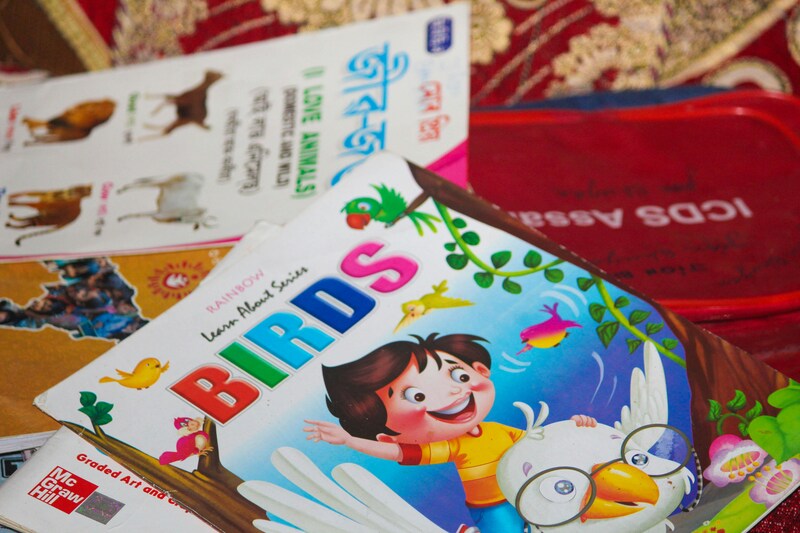
While printed books and ebooks share many design principles, there are several important differences between the two formats. Understanding these differences helps designers optimize covers for their intended medium.
Front Cover Importance for Ebooks
For ebooks, the front cover carries almost all of the visual responsibility. Readers often see ebook covers as small thumbnails on online marketplaces. As a result, titles and imagery must remain clear even at reduced sizes.
Spine and Back Cover in Print Books
Printed books require additional design considerations. Unlike ebooks, print editions include the spine and back cover, both of which provide valuable information and contribute to the overall reading experience.
Design Considerations for Digital Formats
Digital platforms require simplicity and readability. Complex details that look impressive on a large printed cover may become difficult to see on a smartphone screen. Designers should prioritize clarity when creating ebook covers.
Common Mistakes When Designing Book Covers
Even experienced designers can make mistakes that reduce the effectiveness of a cover. Recognizing these issues can help improve the final product.
Overcrowded Layouts
Too many design elements can overwhelm readers. A cluttered cover often looks unprofessional and makes it difficult to identify the most important information. Keeping the design clean and focused helps create a stronger visual impact.
Poor Typography Choices
Unreadable fonts can damage a book’s presentation. Typography should remain clear and appropriate for the genre while maintaining strong visual hierarchy.
Low-Quality Images
Blurry or poorly edited images can negatively affect credibility. High-quality visuals are essential for creating a professional impression.
Ignoring Genre Expectations
Readers often have specific expectations regarding book cover design. A cover that fails to align with genre conventions may confuse potential readers and reduce sales opportunities.
Tips for Creating an Effective Book Cover
Understanding the parts of a book cover is only the first step. Successful cover design also requires strategic decision-making and attention to detail.
Prioritize Readability
Readers should be able to identify the title and author name quickly. Clear typography and strong contrast help improve readability across various formats.
Study Bestselling Covers
Analyzing successful books within your genre can provide valuable insights. Pay attention to common design trends, color schemes, and visual styles.
Maintain Visual Hierarchy
Visual hierarchy guides readers through the cover. The title should usually receive the most attention, followed by the subtitle, imagery, and author name. This structured arrangement helps readers process information quickly and effectively.
Keep Branding Consistent
Authors who publish multiple books should maintain consistent branding whenever possible. A recognizable visual identity can strengthen audience loyalty and improve discoverability.
Understanding the parts of a book cover is essential for anyone involved in writing, publishing, or book design. Every component—from the front cover and spine to the back cover and barcode—serves a specific purpose in attracting readers and communicating information.
A successful book cover combines strong visuals, clear typography, thoughtful organization, and strategic marketing elements. When these components work together effectively, they create a professional presentation that encourages readers to explore the book further.
Whether you’re a first-time author or an experienced publisher, investing time in understanding book cover design can significantly improve your book’s appeal and overall success.