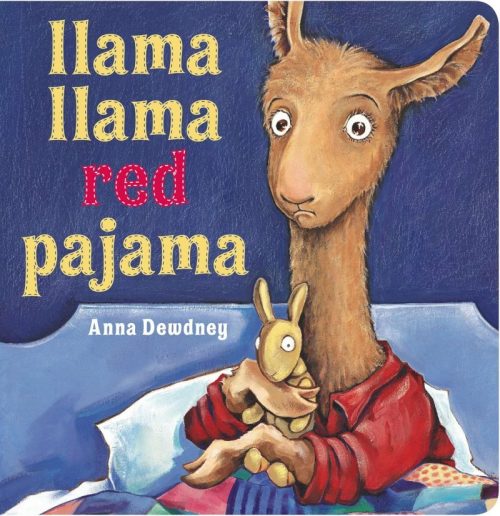
Llama Llama Red Pajama Book Review: Mama’s Love at Bedtime
Kay Takeaways:
- The book effectively illustrates how young children experience fear and worry when separated from their mothers, especially at bedtime.
- The book reassures children that parental love remains constant, even when parents are not immediately present.
- Simple rhyming text and expressive illustrations make the story memorable and emotionally comforting.
- The book emphasizes the importance of routine and shared moments between parent and child. Reading this story aloud can support emotional bonding, reduce bedtime resistance, and help children transition into sleep more smoothly.
Bedtime can be an emotional time for both kids and parents. After a busy day full of play, learning, and activity, the quiet of nighttime can bring unexpected worries for little ones. Lights go out, doors close, and suddenly a child’s imagination begins to wander. Llama Llama Red Pajama by Anna Dewdney captures this common moment perfectly. It turns the bedtime worries into a sweet relatable story that is full of rhythm, feeling, and comfort.
First published in 2005, Llama Llama Red Pajama has become a modern classic in children’s literature. It is loved by families around the world. It tells a simple story of a young llama struggling to fall asleep while waiting for Mama Llama to return. Through playful colours and expressive illustrations, Dewdney captures the emotional roller coaster that many children and parents know all too well. This review explores the charm, themes, and lasting appeal of this timeless bedtime story.
The Charm of Llama Llama
“Llama Llama red pajama / reads a story with his mama,” you will find those phrases from the book. They quickly draw young listeners into a calm familiar routine. Thus, you must agree that they are catchy and comforting for young readers.
That is why people claimed that one of the most immediate charms of Llama Llama Red Pajama lies in its rhythmic and rhyming text. The story flows almost like a lullaby, making it perfect for bedtime reading. The repetition and rhyme help children anticipate what comes next, which can be soothing in itself.
The main character, Baby Llama, is instantly relatable. He is not extraordinary or adventurous. He is simply a small child trying to fall asleep. His thoughts, fears, and frustrations mirror those of many young readers. This realism is what makes the story so effective. Children see themselves in Baby Llama, while parents recognize the situation immediately.
Mama Llama’s presence adds to the book’s charm. She represents safety, consistency, and love. The story does not exaggerate or dramatize bedtime struggles, instead it treats them with honesty and warmth. Finally, this makes the narrative feel genuine and comforting.
Themes Explored in the Book
There are three big themes explored in the book.
Separation anxiety
At its core, Llama Llama Red Pajama explores separation anxiety, a common developmental experience for young children. Baby Llama becomes increasingly worried when Mama Llama leaves the room. He imagines worst-case scenarios as time passes. His emotions escalate quickly—from mild concern to full-blown panic—mirroring how children often experience anxiety in real life.
Emotional control
Another key theme is comfort and learning to manage emotions. When Mama Llama comes back, she calmly reminds Baby Llama that she is always close, even if he cannot see her right away. She does not get angry. Conversely, she understands his fear and helps him feel safe again. This shows kids and parents how to handle big feelings with care and love.
Parents’ guide
The book also addresses parental boundaries. Mama Llama is loving and attentive, but she also sets limits. She reminds Baby Llama that calling out in panic is unnecessary and encourages trust and patience. This balance between comfort and guidance is one of the reasons the story relates so strongly with parents.
Illustrations: Expressive and Comforting
As both the author and illustrator, Anna Dewdney plays a crucial role in bringing the story to life. She captures children’s feelings through bold, colourful, and emotionally expressive illustrations. They are perfectly complementing the text. Baby Llama’s wide eyes, drooping ears, and exaggerated expressions make his feelings immediately clear, even to children who may not fully understand the words yet.
The use of warm colours in Mama Llama’s presence contrasts with the darker, cooler tones during Baby Llama’s moments of worry. This visual shift helps children intuitively understand the emotional changes in the story. The bedroom setting feels cozy and familiar as well. Just like a common bedtime atmosphere!
Importantly, the illustrations never feel overwhelming. The scenes are simple and focused. It allows children to concentrate on the emotions and actions of the characters. This simplicity makes the book especially effective for younger readers and early listeners.
Why Llama Llama Red Pajama Connects So Deeply with Kids and Parents
The enduring popularity of Llama Llama Red Pajama comes from its emotional authenticity. Children connect with Baby Llama because his fears feel real. Parents connect with Mama Llama because they recognize themselves in her calm reassurance and gentle firmness.
For children, the book validates their emotions. It tells them that it is okay to feel scared or lonely, but also shows that these feelings can pass with reassurance and trust.
For parents, the story offers comfort and perspective. It serves as a reminder that bedtime struggles are normal and temporary. The book also provides language parents can use to reassure their children. It becomes a practical yet emotional resource.
Reading Llama Llama Red Pajama together helps parents and children feel closer. It becomes a relaxing bedtime habit that helps both of them calm down and get ready for sleep.
Conclusion
Llama Llama Red Pajama is more than just a bedtime story. It is an emotional mirror reflecting the fears, needs, and love that define early childhood. Through simple rhymes, expressive illustrations, and heartfelt themes, Anna Dewdney created a story that speaks to both children and parents on a deeply personal level.
The book reassures children that they are never truly alone and reminds parents of the power of patience, consistency, and love. Its timeless message continues to resonate because bedtime blues are universal, and so is a mother’s love. Whether read for the first time or the hundredth, Llama Llama Red Pajama remains a comforting companion at the end of the day. It helps families everywhere settle into sleep with a little more peace.